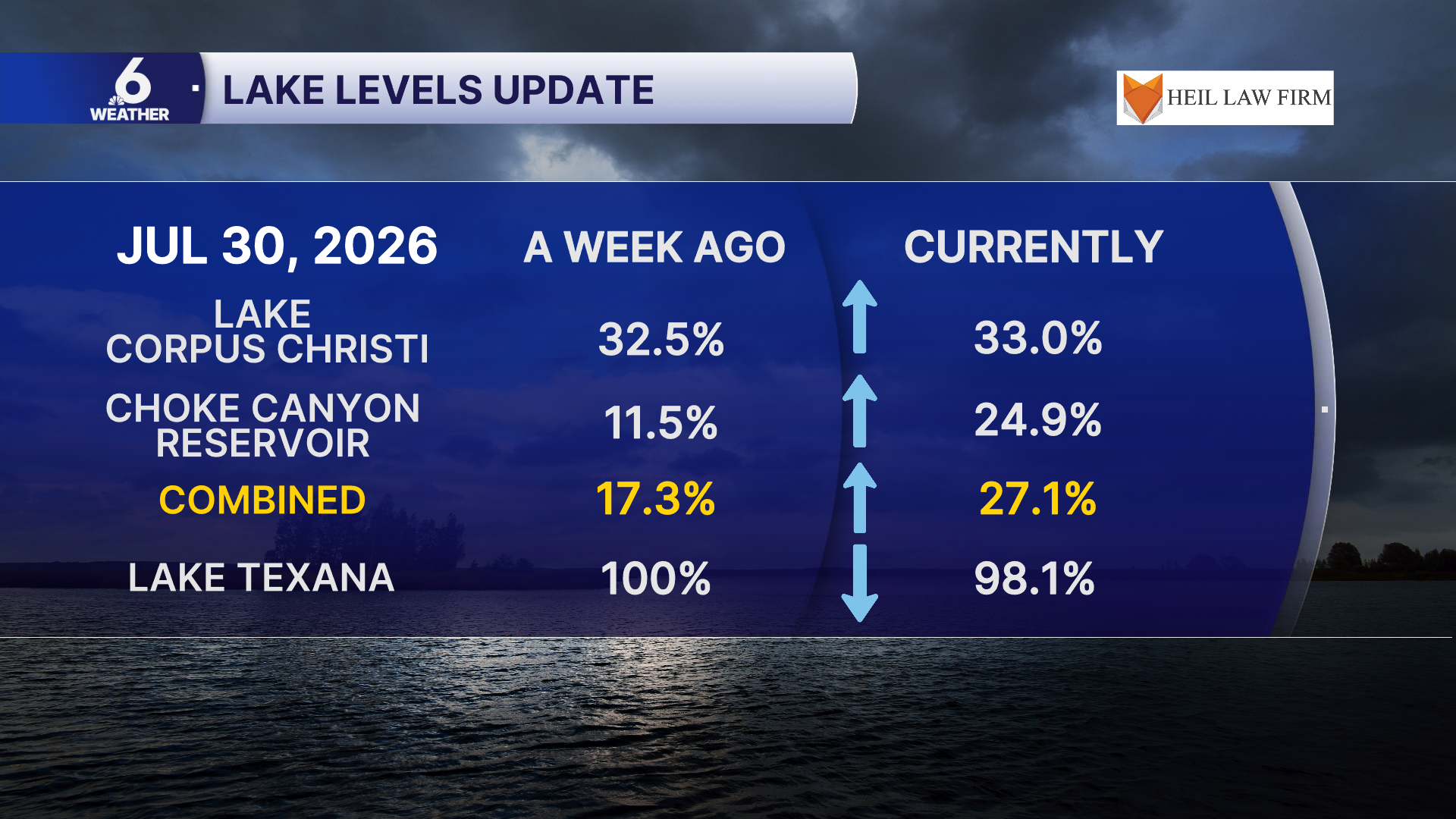
CORPUS CHRISTI, Tx — Neighbors say a massive groundwater project could drain their wells dry. A judge agreed they deserve their day in court — and that could cost Corpus Christi time it has said it doesn't have.
Hearing Examiner Alicia Franklin York ruled May 14 that opponents to the Evangeline Laguna Groundwater Project have the legal right to formally challenge the permits the city needs to build it. City Manager Peter Zanoni notified the mayor and city council of the decision in a memo.
York ruled that the City of Sinton, St. Paul Water Supply Corporation, R.B. Farms Inc. and Ring Bros. Farm and Seed all provided enough evidence that the project could harm their water supplies to have their concerns heard through a formal hearing process.
The opponents — neighboring communities and farmers whose wells draw from the same aquifer — argued the project would pump four times the volume of all other wells in San Patricio County combined, drawing down water levels, degrading water quality and potentially causing the land itself to sink. York's ruling summarized testimony from a licensed geoscientist that Sinton and St. Paul's wells were "reasonably probable to become unusable" if the project moves forward.
York noted in her ruling that opponents were not required to prove the harm has already occurred — only that injury was reasonably probable.
The ruling does not kill the project. According to Zanoni's memo, it means the judge believes opponents should have their concerns heard through a formal contested case hearing process — and that does not mean the project will ultimately be denied permits. Pending the board's acceptance of the ruling, that hearing must be completed before drilling or transport permits can be issued.
City leaders had previously warned this outcome could delay the project by up to two years.
Zanoni has told the city council the Evangeline project is "the only thing right now that will keep us out of a Level 1 water emergency."
Farmer Charles Ring, whose property sits within three to four miles of the project site, also testified. York's ruling summarized his testimony that groundwater beneath his land is projected to drop between 10 and 50 feet over 30 years, and that such a decline "will cause a financial impact on him and impact his wells."
The city has not waited for the legal dispute to be resolved. The city council voted in March to move forward with hundreds of millions in construction contracts, with Zanoni telling council: "The alternative is to not do anything, maybe lose Garney and lose the engineer of record, and wait."
The first shipment of pipe — 600 feet of 48-inch pipeline manufactured in South Carolina — arrived at the project site in San Patricio County in late March. By the end of July, 90% of the 30 miles of pipeline needed for the project is expected to be on site.