


INGLESIDE, Texas — For the past two months, abandoned vessels dubbed 'derelict boats' by residents of Ingleside on the Bay have been appearing more and more in Ingleside Cove.
"They're put over here, they're dropped on anchor ain't no, there's nobody on them," Steven Wilder told KRIS 6 News. Wilder, a resident of the Bay for over 10 years, says the boats may become a safety hazard.
"Most of these boats don't have anchor lights going, so if somebody was running across these flats in the night they could hit one. They're sinking and they're submerging and then they're going to be unseeable hazards for fishermen and everybody else."
A fisherman himself, Wilder fears any collision with one of these boats could easily result in damages of "$10-20,000" just for his boat. Additional concerns also stem from vessels possibly drifting into and around the ship channel.
"I don't have a problem with anything as long as, but when you're coming and dumping your trash that you don't want to pay rent on or you don't have anything on and dumping it in my backyard I'm going to have an issue," Wilder explained.
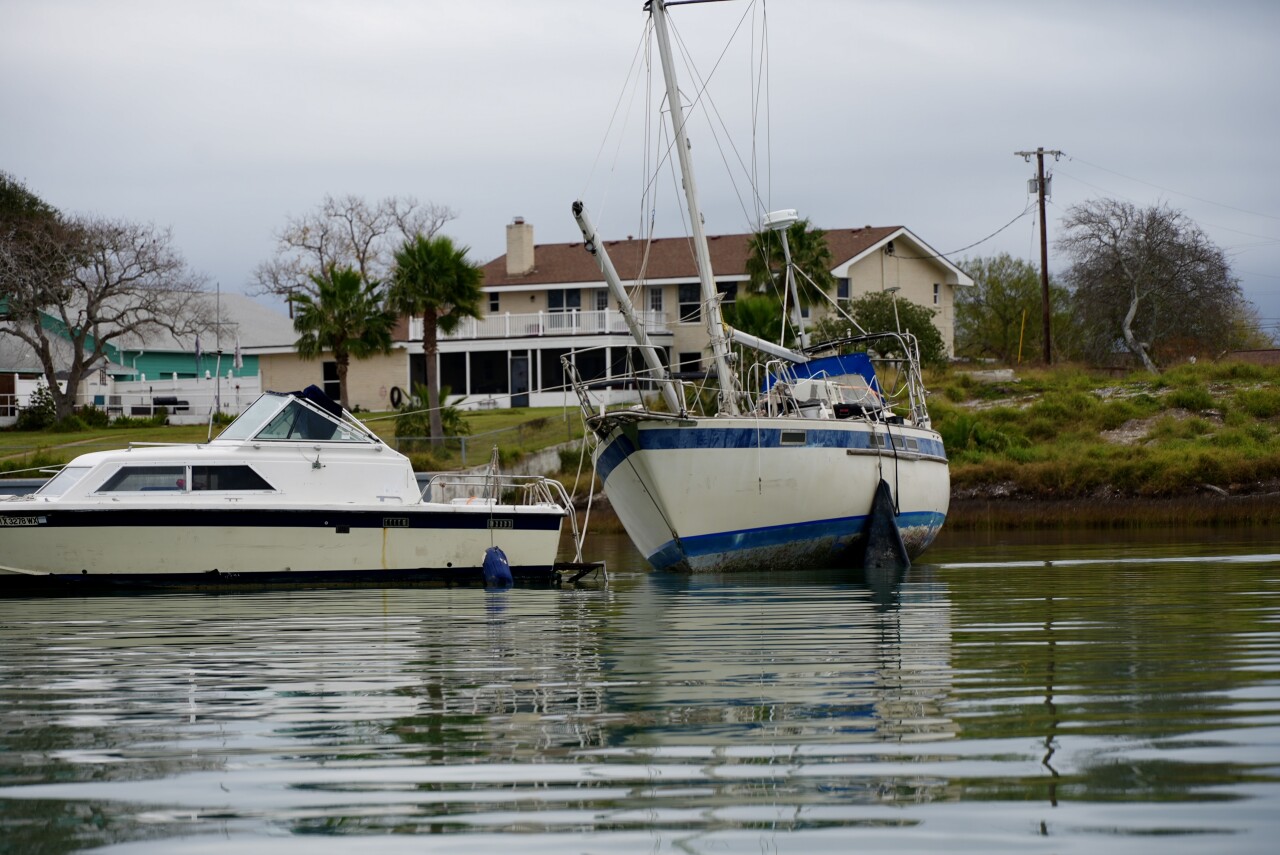
According to Wilder, he and other residents have contacted several agencies in hopes of having the boats removed: The Port of Corpus Christi, The United States Coast Guard, Texas Parks and Wildlife, and The General Land Office.
Of the four agencies, GLO and Parks and Wildlife responded to KRIS 6's inquiry.
Speaking with Senior Response Officer Frank McDaniel of GLO, he says the agency is aware of the boats, but the process for removing them takes time and is "very costly."
According to the Texas Natural Resources Code, the law explicitly prohibits a person from abandoning or maintaining a wrecked or substantially dismantled vessel in coastal waters if the state's Land Commissioner finds it to be a threat to public safety, the environment, or a navigation hazard.
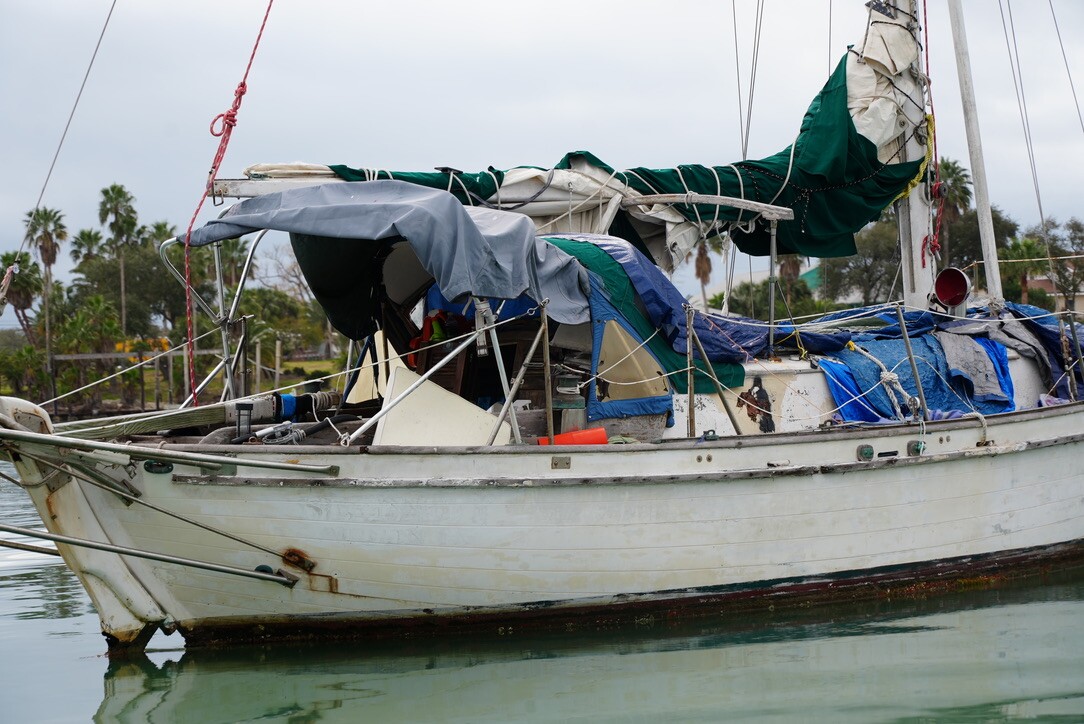
The law empowers the Commissioner of the GLO to remove and dispose of such vessels and to recover the often substantial costs from the owner or operator.
However, the process is not automatic. The GLO must generally provide notice and an opportunity for a hearing before removal, unless the vessel creates an "imminent and significant threat" or a "significant navigation hazard," at which point it can act immediately.
McDaniel added that GLO does not have funds set aside for removals. The agency receives funding through state grants and similar means. McDaniel explained that removing a 40ft sailboat alone could cost anywhere between $25-30,000.
For the latest local news updates, click here, or download the KRIS 6 News App.
Catch all the KRIS 6 News stories and more on our YouTube page. Subscribe today!
