




JIM WELLS COUNTY, Texas —
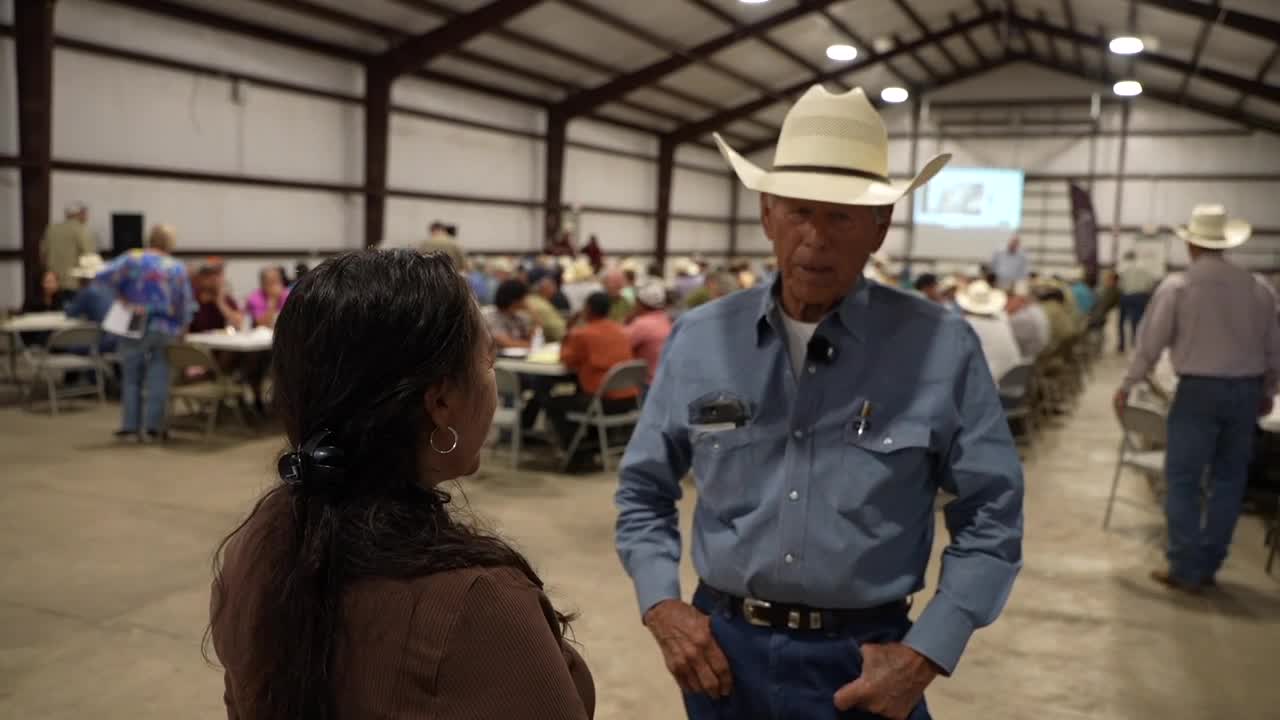
Over 200 ranchers and livestock owners gathered in Jim Wells County Wednesday, June 17th, for a seminar on beef cattle herd health and the threat posed by the new world screwworm.
The event comes as producers across South Texas continue to monitor the parasite, which had not been detected in the United States for more than 50 years before its recent reemergence.
Sonja Swiger, a Texas A&M AgriLife Extension specialist, explained why the fly poses such a serious danger to livestock and other animals.
"It's been gone for 50 plus years. The reason we chose to get rid of this fly in particular is that it will lay eggs on living animals and then those laid eggs turn into larvae that eat the living animal," Swiger said.
Swiger urged livestock owners to increase how often they inspect their animals.
"We really need to start inspecting our animals more frequently. Obviously, cattle are a high commodity, but also dogs are another animal group that we want to check because they're outdoors a lot," Swiger said.

One of the most effective tools used to fight the screwworm is the release of sterile flies. When those flies mate with wild screwworms, they produce nonviable eggs, helping reduce the population over time.
While Nueces County rancher Scott Cornelius understands the importance of checking on animals, he said some ranchers have too many cattle to monitor closely — and expressed concern about wildlife as well. He is calling for faster action.
"What's being done now? You know... cut out all of the paperwork and the red tape and everything. Let's get something on the ground right now. And in these ranchers' hands," Cornelius said.
In response to the threat, Governor Greg Abbott issued a statewide disaster declaration and deployed resources to help protect Texas' multi-billion-dollar livestock and wildlife industries.
Cornelius said action needs to happen quickly before the parasite gains a stronger foothold.
"We need to make sure all the red tape is pushed out of the way and get it out there because it's gonna be devastating. If it's anything like it was in the 50s and 60s, it's gonna devastate the cattle industry and wildlife," Cornelius said.
In South Texas, where hunting, ranching and agriculture drive local economies, many fear an outbreak could have lasting economic consequences. Organizers said educating producers now can help protect livestock and reduce the risk of future outbreaks.
For the latest local news updates, click here, or download the KRIS 6 News App.
Catch all the KRIS 6 News stories and more on our YouTube page. Subscribe today!
