

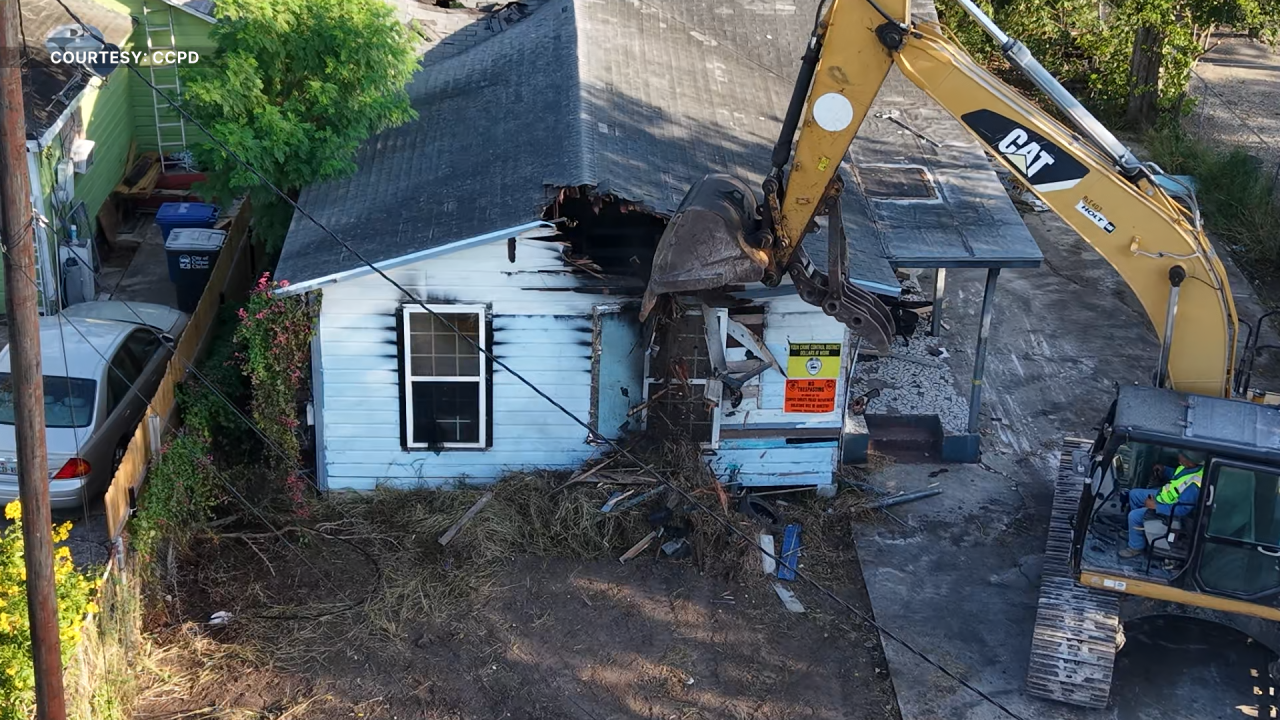


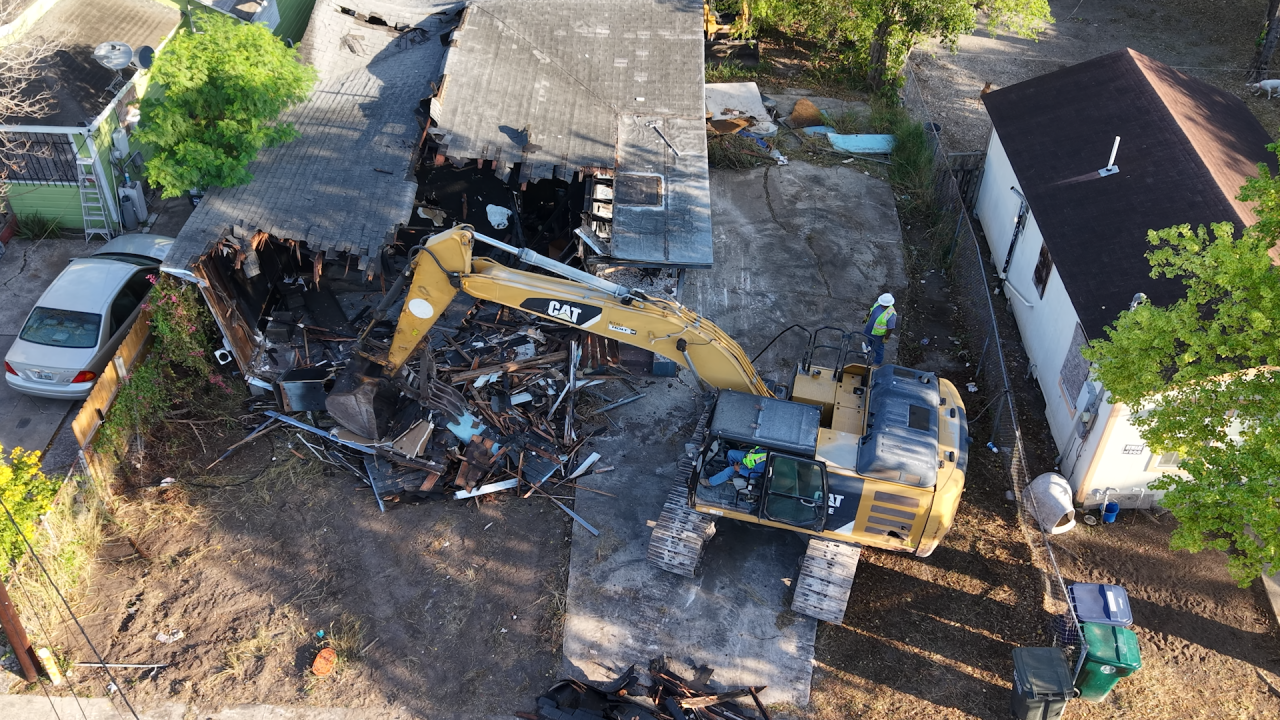
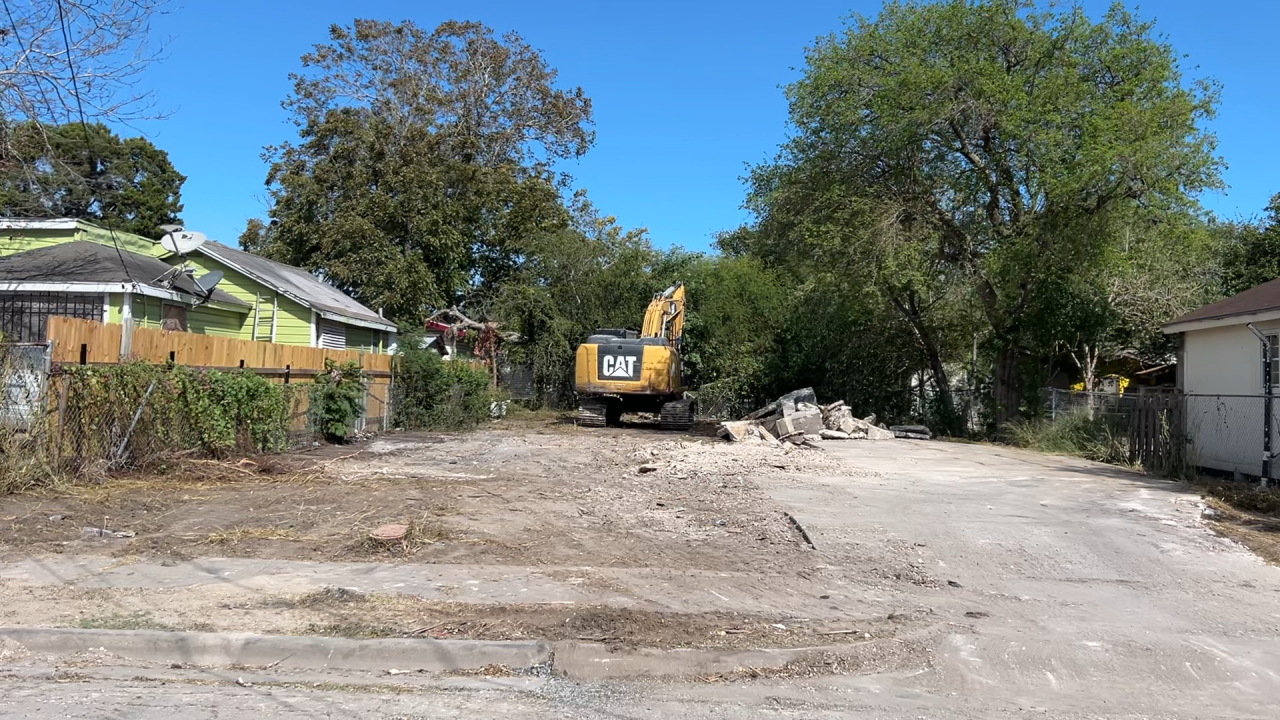
CORPUS CHRISTI, Texas — An abandoned, fire-damaged home on Ruth Street came down Thursday, removing what Corpus Christi police described as a source of blight and unwanted activity in the neighborhood.
But the demolition was about more than one house.
RAMBRO Contracting, a family-owned business from Robstown, donated its equipment, workers and expertise to demolish the structure at no cost for the work, according to Corpus Christi Police Lt. Kody Harrison.
Harrison, who works with CCPD's Crime Reduction Unit, said abandoned and damaged properties can create problems that extend beyond the condition of the building itself.
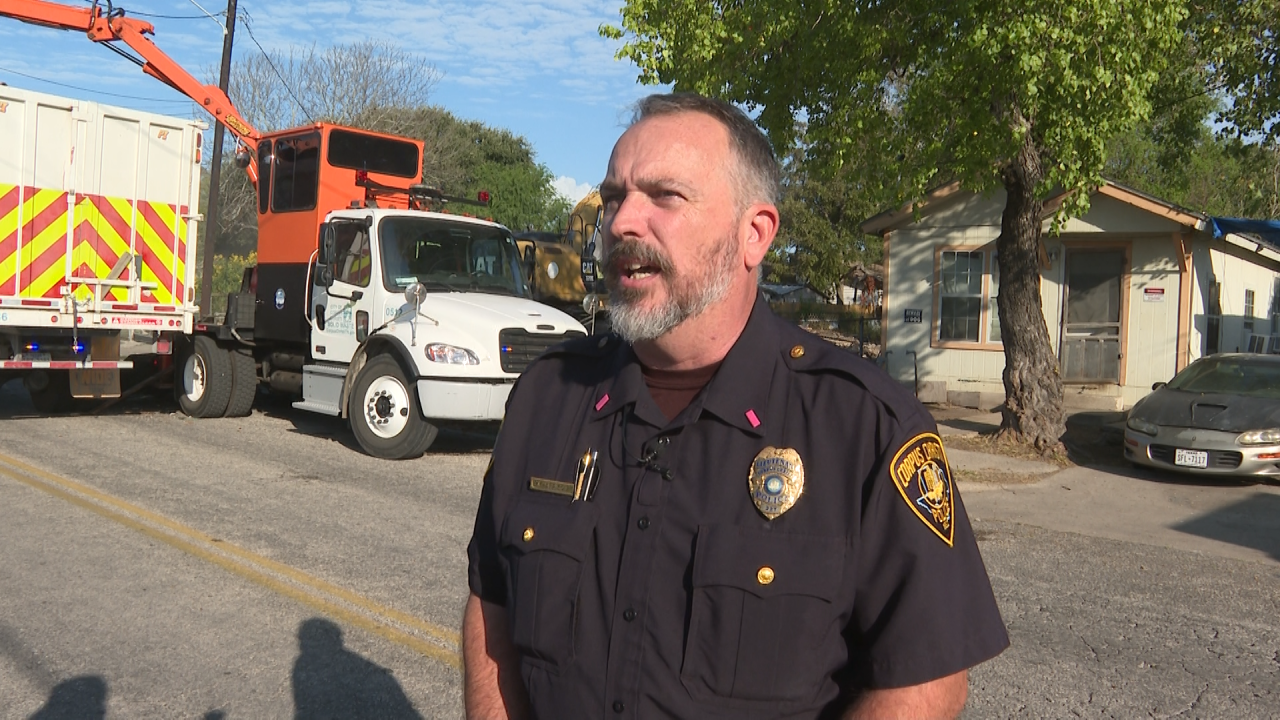
“What we have here is a house that's been burned down in the neighborhood, and then what we have is elements coming in and camping in there,” Harrison said. “Bringing different people, stuff going on, nefarious stuff going on in that area, which brings blight and it brings negative people to the neighborhood.”
Harrison said partnerships with companies such as RAMBRO give the city another resource to address properties that have become problems for surrounding neighborhoods.
“What that does is it shows the community that all of us together, that we can take back our community,” Harrison said. “Together, and we can make sure that we improve the quality of life of the citizens that live in this neighborhood right now.”
RAMBRO brings equipment and expertise
For RAMBRO Contracting, tearing down the Ruth Street home was part of an ongoing effort to give back to communities in the Coastal Bend.
Ricardo Ramon Jr., whose family operates RAMBRO Contracting, said the company has participated in numerous projects like this one.
“We've been blessed as a family and on our business and we want to give back to the community, for the neighbors to feel safe and take pride in their own streets here in Corpus Christi,” Ramon said.
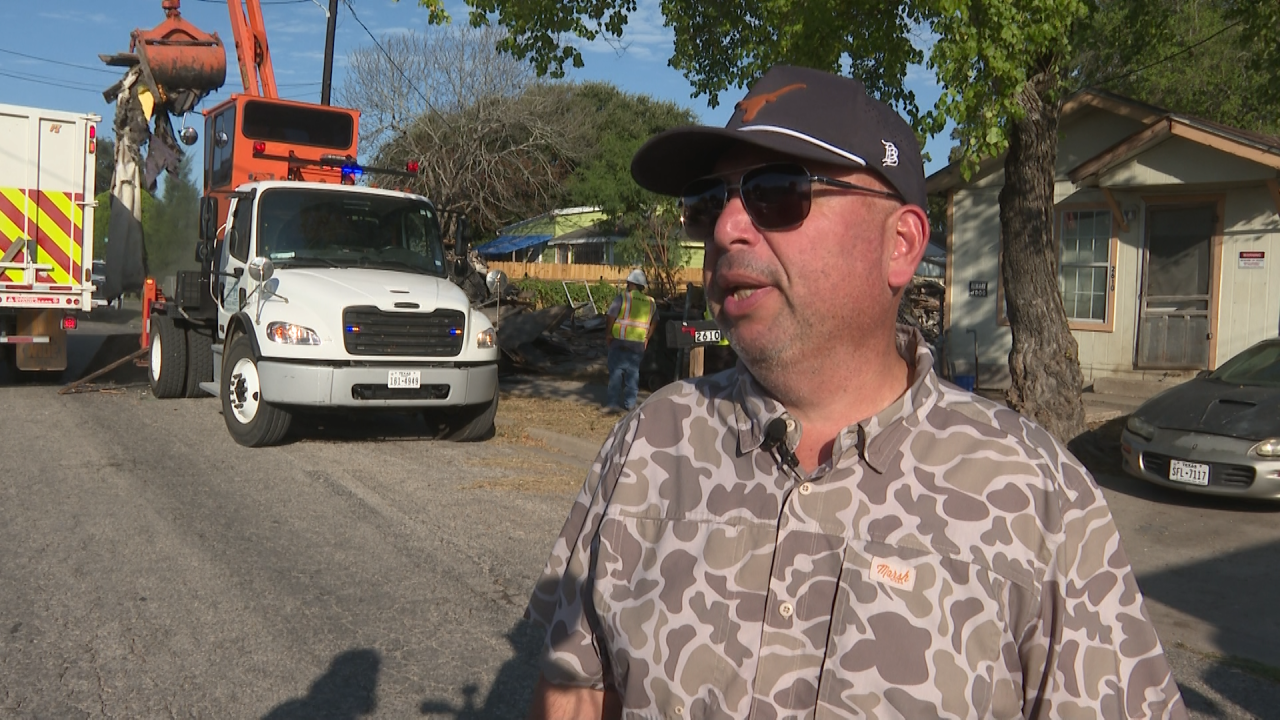
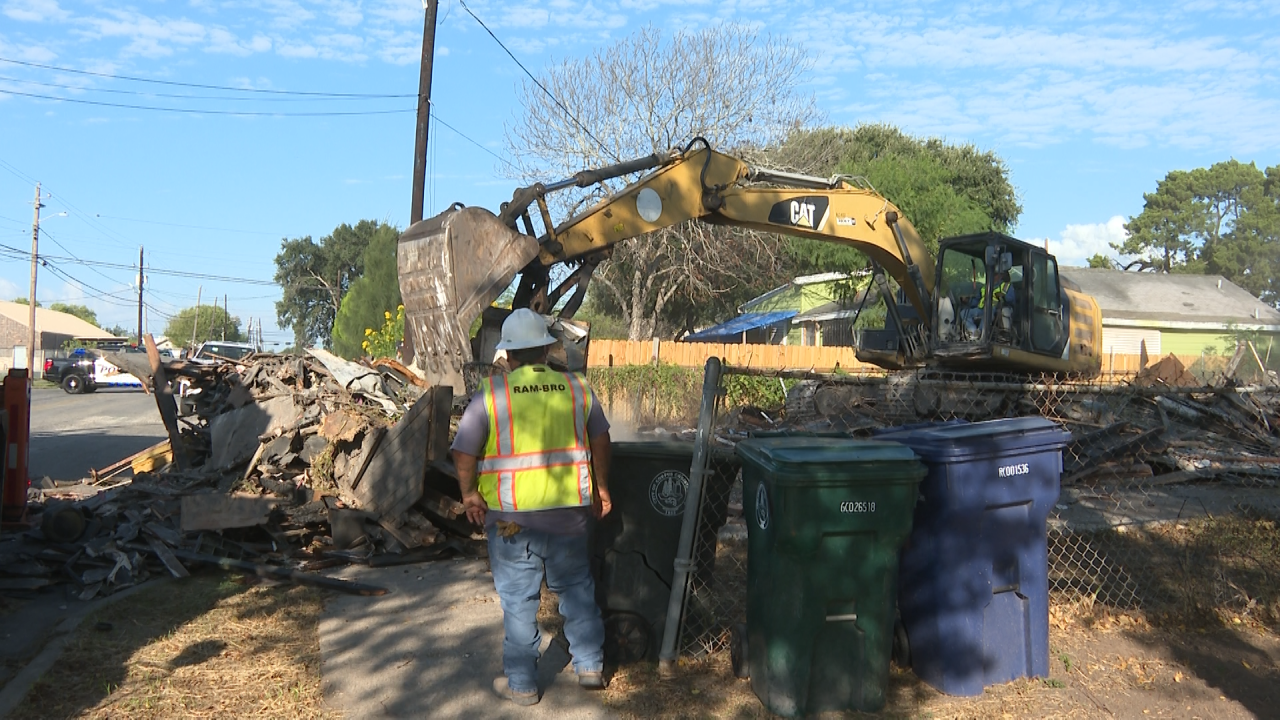
The company brings heavy equipment that allows crews to make relatively quick work of demolishing a residential structure.
“We have big equipment, so for us it doesn't take long, couple of hours,” Ramon said. “So we are, we're able to go in and out pretty quickly.”
Harrison said that equipment and experience are particularly valuable because the city has other projects competing for its resources.
“They come in and they have the skill set and they have the resources to be able to do this and it is such a huge help,” Harrison said. “Because like I said, there's so many projects going on in the city that we just don't have the resources and sometimes the expertise to do the job.”
Ramon said RAMBRO intends to keep working with the city.
“We wanna continue this partnership with the City of Corpus Christi, continue giving back,” Ramon said.
How does a house end up on the demolition list?
A home being vacant or abandoned does not automatically mean the city can demolish it.
Under Texas Local Government Code Section 214.001, cities can adopt ordinances allowing action against buildings that are dilapidated, substandard or unfit for human habitation and pose a hazard to public health, safety or welfare. The law also covers certain unoccupied buildings that are unsecured and accessible to unauthorized people or children.
Corpus Christi handles those properties through provisions in Chapter 13 of its Code of Ordinances.
The process can involve inspections and notice to the property owner. Texas law requires a public hearing to determine whether a building meets municipal standards. If a building is found to be in violation after the hearing, the municipality can order the owner to vacate, secure, repair, remove or demolish it within a reasonable period.
The Corpus Christi Building Standards Board plays an important role in that process. The board hears cases involving structures considered dilapidated, substandard or unfit for habitation and hazardous to public health, safety or welfare.
Corpus Christi also has rules specifically addressing vacant buildings. Those provisions cover measures including securing buildings, boarding openings, fencing properties and repairing or removing deteriorated portions of a structure.
Under Section 13-3013, the owner of a vacant building must promptly remove or repair portions of a building or signs that are decayed or partially ruined because of neglect, misuse or deterioration.
When an owner fails to abate a violation within the period specified in a city notice, the city ordinance allows the city to perform the abatement. The owner can then be held responsible for those costs, and unreimbursed expenses can result in a lien against the property.
In other words, getting a house from abandoned property to demolition site can require more than simply determining no one lives there. The city must address the condition of the building and follow the applicable notice and hearing requirements.
For the Ruth Street property, Thursday's demolition represented the final and most visible step: heavy equipment reducing the damaged structure and clearing away what police viewed as a source of problems in the neighborhood.
For RAMBRO, Ramon said the motivation was much simpler: helping residents feel better about where they live.
“We want to give back to the community,” Ramon said, “for the neighbors to feel safe and take pride in their own streets here in Corpus Christi.”
For the latest local news updates, click here, or download the KRIS 6 News App.
Catch all the KRIS 6 News stories and more on our YouTube page. Subscribe today!
