

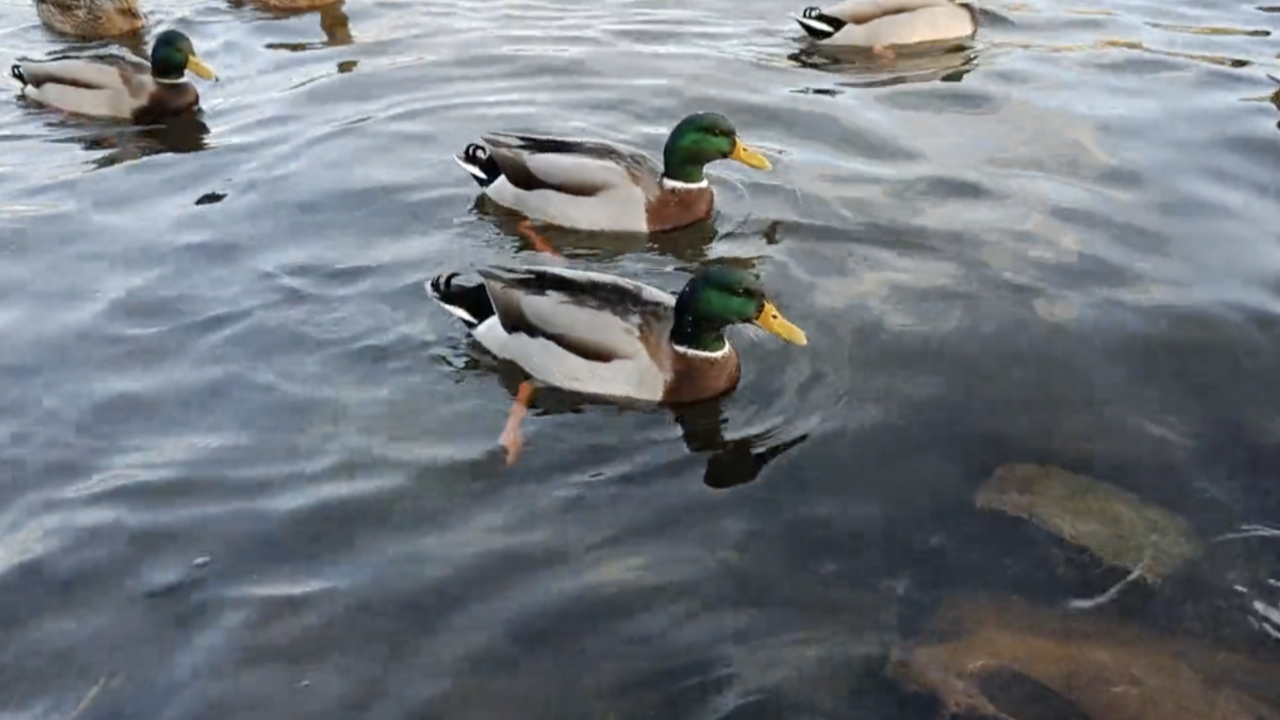


A thousand miles away: How a federal wetlands decision could silence South Texas skies The U.S. Fish and Wildlife Service is reviewing a rule that protects small wetlands in the Northern Great Plains — the breeding ground for most of North America's ducks —and hunters and conservationists along the Texas Gulf Coast say the consequences could be felt right here in the Coastal Bend.
The region, known as the "duck factory," spans the prairie pothole region of Minnesota,North Dakota, South Dakota and into southern Canada. It is a landscape of small,shallow wetlands — some as small as a half acre — that collectively support up to 30% of all ducks in North America. A federal filing indicates the agency has determined withdrawing the existing rule is necessary, triggering alarm from conservation groups and hunting guides who say the ripple effects will stretch more than a thousand miles south to the Laguna Madre.
What's at stake in the prairie pothole region
The rule under review was codified in 2024 and was designed to prevent farmers from draining those small wetlands through a process called drain tiling — the installation of underground PVC piping with holes drilled into it to carry water away from the land for agricultural use. The 2024 regulation affirmed agreements already made with landowners, in perpetuity, to leave those wetlands intact in exchange for payment.
Jeff Davis, area chairman and district chairman for all of South Texas with the Corpus Christi chapter of Ducks Unlimited, said the nation's largest wetlands conservation group is urging the Fish and Wildlife Service to keep the 2024 rule in place.

"We're saying as conservationists, DU as hunters, please keep that 2024 codified CFR— code of federal regulations — in place and not drain," Davis said. "It's not a us versus them kind of deal. It's a please leave this in place as it is, as it stands now."
A public comment period closed last week with more than 200,000 comments and signed petitions submitted by conservationists across North America. Davis said the volume of response reflects how broadly the issue resonates.
"What that says is it was just a request for information or public comment," Davis said."The U.S. Fish and Wildlife Service says, 'Hey, we're gonna just take a look at this.' But you know what that means is if they're starting to look at it, then the tide starts swelling."

The Laguna Madre connection
For South Texas, the stakes are particularly high. Davis said approximately 75% of the entire North American redhead duck population winters in the Laguna Madre each year.
"We like to say down here in South Texas, we do get the redhead population, the redhead duck population of about 75% of those ducks come right through the Laguna Madre every year," Davis said. "So we like to call them the original Winter Texans."
Those birds breed and nest in the prairie pothole region before migrating south through the Central Flyway into Texas. Davis said the connection between the two regions is direct and undeniable — and so is the threat.
"If the ducks go away, if the prairie pothole region goes away, then we start to chip away at that, and it just does not get any better in any scenario of draining the prairie pothole region," Davis said.
A guide's livelihood on the line
Capt. Trey Clement has spent 30 years guiding hunters on the waters of the Coastal Bend through his Fins & Pins Guide Service, starting in 1996. In that time, he said the change in duck populations has been gradual but unmistakable.

"We've seen a steady, slow decrease in the amount of ducks every year," Clement said."It still has its good points, you know, during the year. We get a big front, push down a bunch of birds, but we're definitely seeing less birds each year."
Clement said redheads are the centerpiece of the local duck hunting experience —what he calls the "main cash cow" of his operation. He said tens of thousands of redheads move through the Laguna Madre each season, and the prairie pothole region is where that population is made.
"That's where they go to do their thing, you know, to have their babies," Clement said."So when they cut that off, it's gonna keep them from coming down here."
If the wetlands are drained and duck numbers fall further, Clement said the impact on his business would be severe.
"It's gonna pretty much put us out of business," Clement said.
Clement grew up in Portland and said he has hunted ducks since he was a child, going out before school and after football games in high school. He said duck season is more than a business — it is a tradition that brings people together year after year in Aransas Pass.
"Every year it's pretty neat," Clement said. "I don't see these guys for the whole summer long and then we all meet back over for our winter jobs and get to hang out every year."
Beyond duck hunting: A trickle-down effect
Davis said the consequences of draining the prairie pothole region would extend well beyond waterfowl. He described the wetlands as a foundational part of a broader ecosystem.

"You have to have the ducks to have the deer to have the next vital resource or animal that enjoys or lives in that prairie pothole region," Davis said. "So if you start draining those areas, then you're gonna start losing other animals."
Corpus Christi is widely recognized as one of the birdiest cities in the country, and Davis said the loss of the prairie pothole region would chip away at that distinction as well. He said all major conservation groups are aligned on the issue.
"Across the board, all conservation groups are on board with this," Davis said. "DU is leading the charge, and everybody well agrees that there's no challenge here. We like the landowners, we like the farmers. We're just asking Fish and Wildlife Services to keep what's there and protect that as agreed upon in perpetuity."
A call to action beyond the hunting community
Both Davis and Clement said the fight to protect the prairie pothole region is not limited to hunters. Clement said anyone who enjoys the natural world along the Texas coast has a reason to pay attention.
"I would really appreciate it if everybody get together, you know, and not just the hunters but you know, bird watchers, everybody that enjoys just sitting on the porch and hearing the geese come in in the fronts or whatever," Clement said. "It's gonna come to a stop if we don't do something now."

Davis said anyone who wants to take action can visit the Ducks Unlimited website,where a petition is available to sign.
"If you have something extra to give, give extra money if you have it, give extra time and protect the resource that we enjoy here in the Laguna Madre area, South Texas area," Davis said.
The Fish and Wildlife Service has not announced a timeline for a final decision on the rule.
This story was reported on-air by a journalist and has been converted to this platform with the assistance of AI. Our editorial team verifies all reporting on all platforms for fairness and accuracy.
For the latest local news updates, click here, or download the KRIS 6 News App.
Catch all the KRIS 6 News stories and more on our YouTube page. Subscribe today!
