

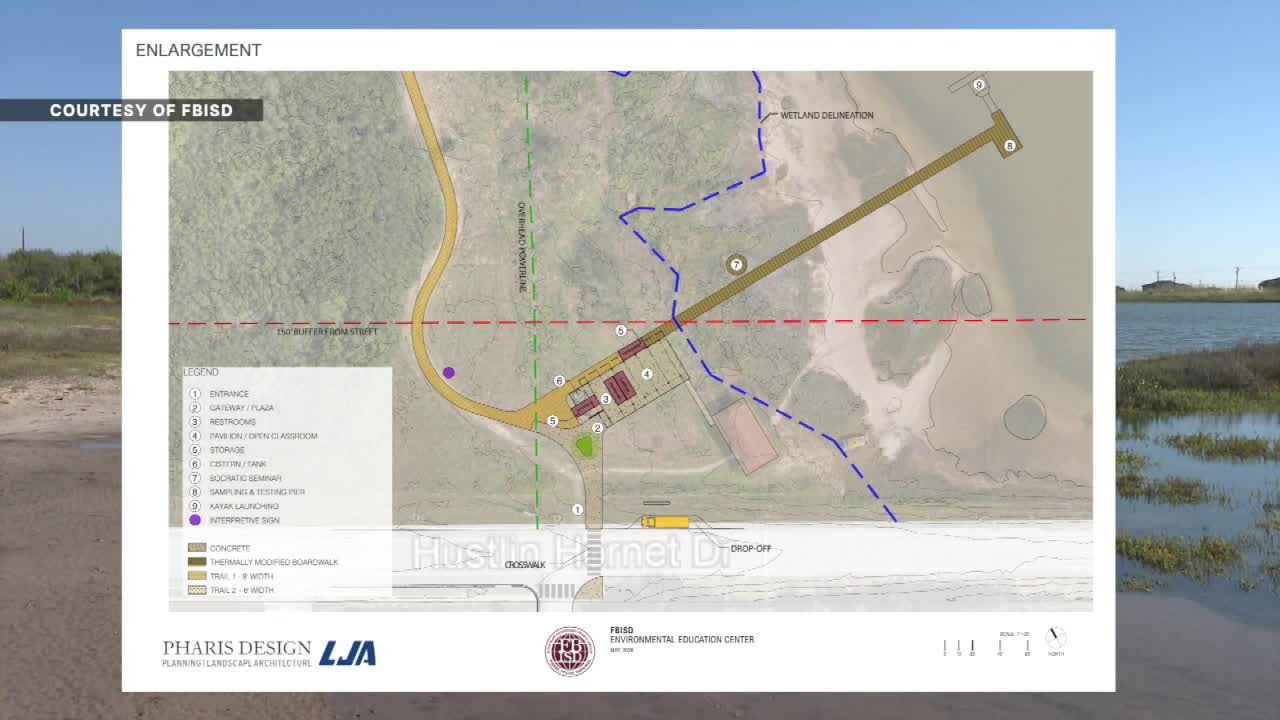


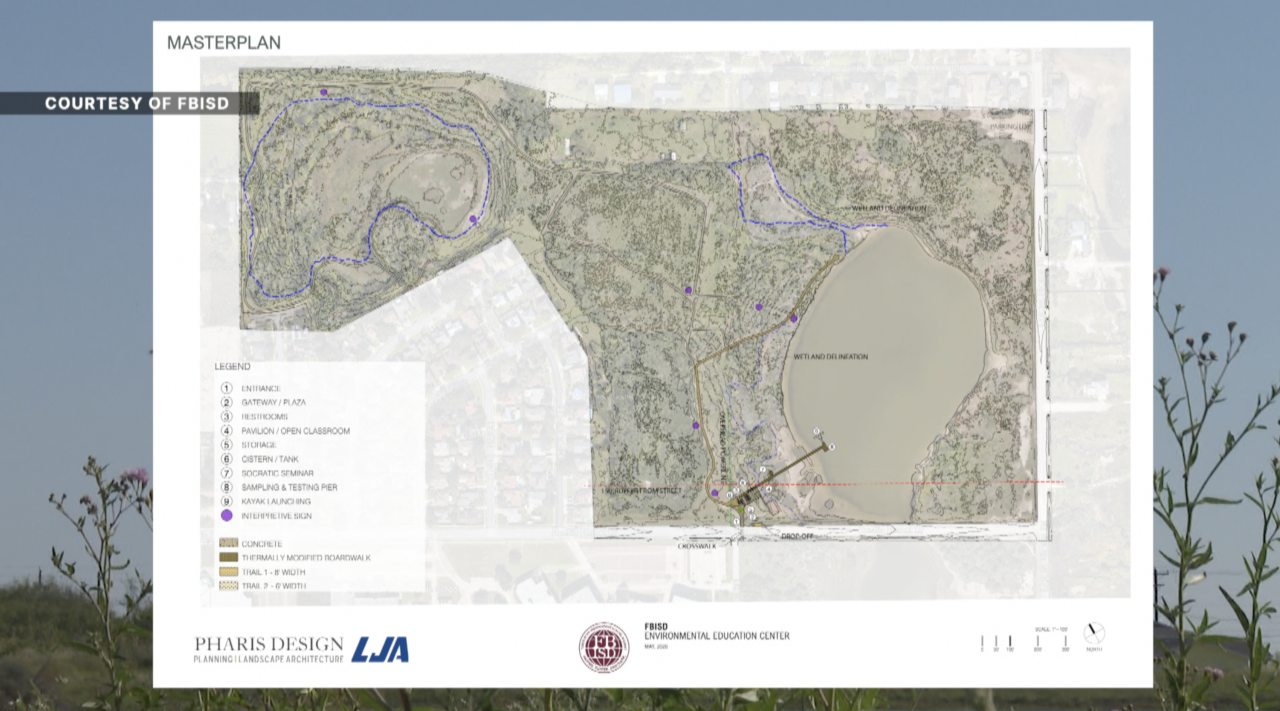
Plans for a pier extending over the Flour Bluff school district's wetlands are now 60% designed, moving closer to a new chapter for one of the area's most distinctive outdoor classrooms. The project, funded through Bond 2025, would also include a pavilion upgrade, classroom improvements, kayak storage, a new bus stop, and a crosswalk on Hustlin' Hornet. No construction date has been set.
At Flour Bluff Intermediate, students have spent decades trading their classroom desks for the wetlands, interacting directly with the coastal environment. Oceans teacher Jordan Honea said the first trip out can be a defining moment — especially for students who have never lived near water.
"For some of them, they move in with us being such a military community. I have so many students who move in from places that are landlocked and so they're not used to being so close to large bodies of water. When you tell them we're going on a field trip to the wetlands, they're like, Where's that at? Where are we going? Where are you taking us?" Honea said.
Once at the wetlands, students net what lives in the ponds, identify plants and animals, and learn how each part of the ecosystem depends on another.
Fifth-grade science teacher Janice Einbinder has been bringing students to the wetlands for more than 15 years. She said some of those discoveries leave a lasting impression.
"One time we caught a flounder, a tiny little flounder, right as its eye was starting to migrate because when they're born their eyes are on either side and then they become a flatfish and so that eye was just in the process of this. Boy was so excited he wanted to bring it home, but we leave nature in nature, but it was just, just thrilling." Einbinder said.
The work at the wetlands goes beyond a single field trip. For more than a decade, students and volunteers have helped remove invasive plants and restore native habitat. South Texas Master Naturalist volunteer Chad Huckabee said the property now includes eight different ecosystems, with about 350 species of plants cataloged so far. He said students who took part in programs at the wetlands often return years later still passionate about the outdoors.
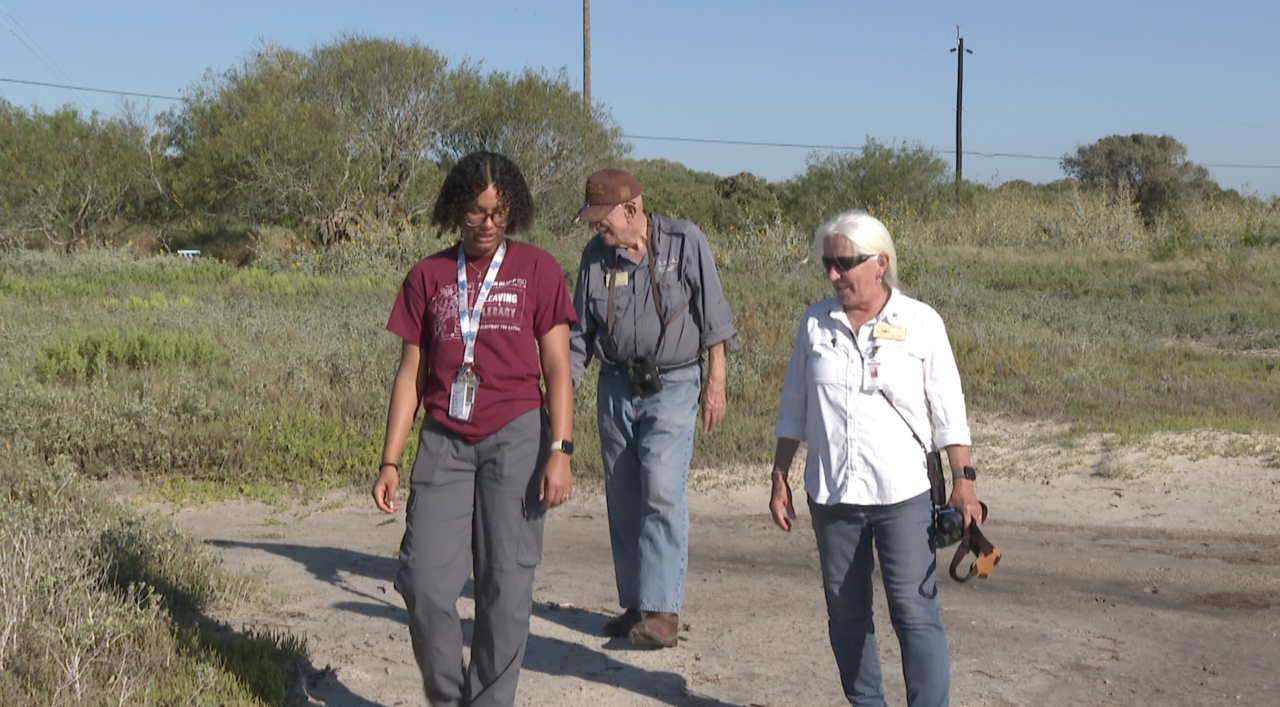
"They'll always come up and say, you probably don't remember me, but I was in Bird Club or I was in Junior Master Naturalist and they still have that spark of I like being outdoors." Huckabee said.
The planned pier would give students access to deeper water, allow them to collect less-disturbed water samples, and use scopes to look below the surface. Einbinder said she believes the addition will open the wetlands to even more students.
"Being able to get a little bit deeper out and using scopes where they can actually look down into the water. I just think it will open it up for a lot more kids," Einbinder said.
For the teachers and volunteers who have spent years championing this property, the project isn't just about adding a pier — it's about giving the next generation more ways to discover, understand, and protect the coast they call home.
This story was reported on-air by a journalist and has been converted to this platform with the assistance of AI. Our editorial team verifies all reporting on all platforms for fairness and accuracy.
For the latest local news updates, click here, or download the KRIS 6 News App.
Catch all the KRIS 6 News stories and more on our YouTube page. Subscribe today!
