

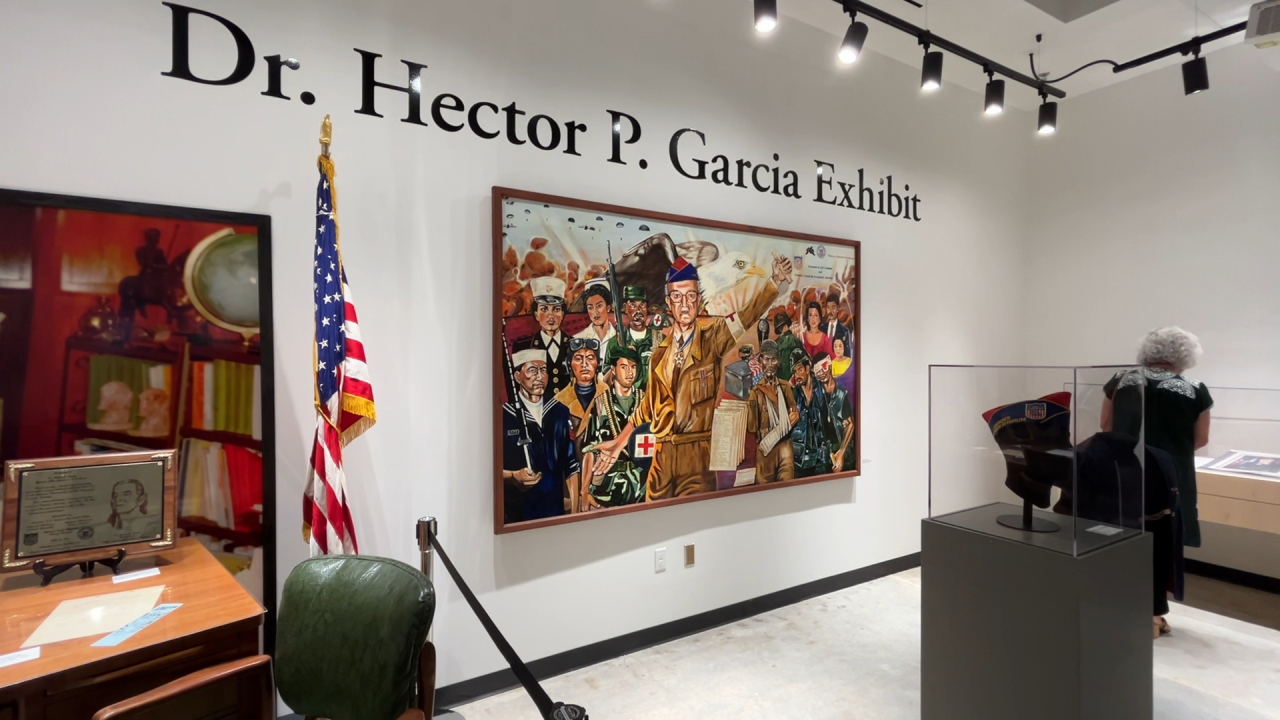


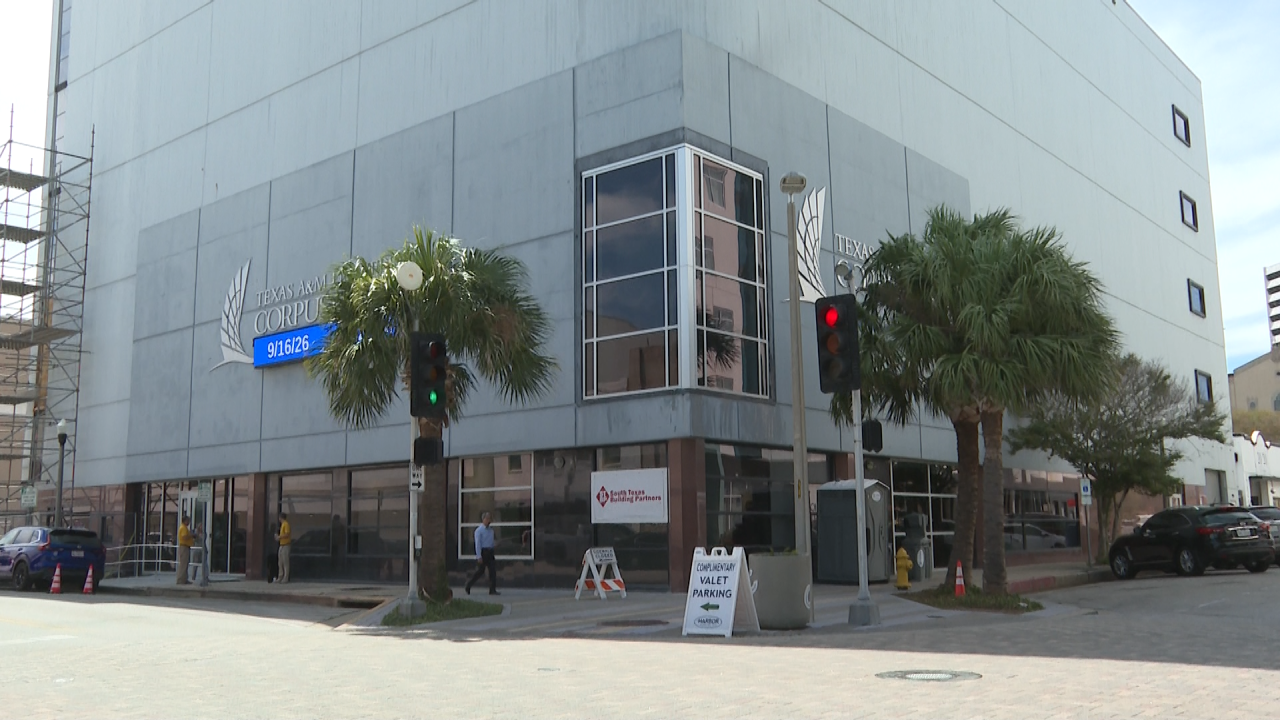
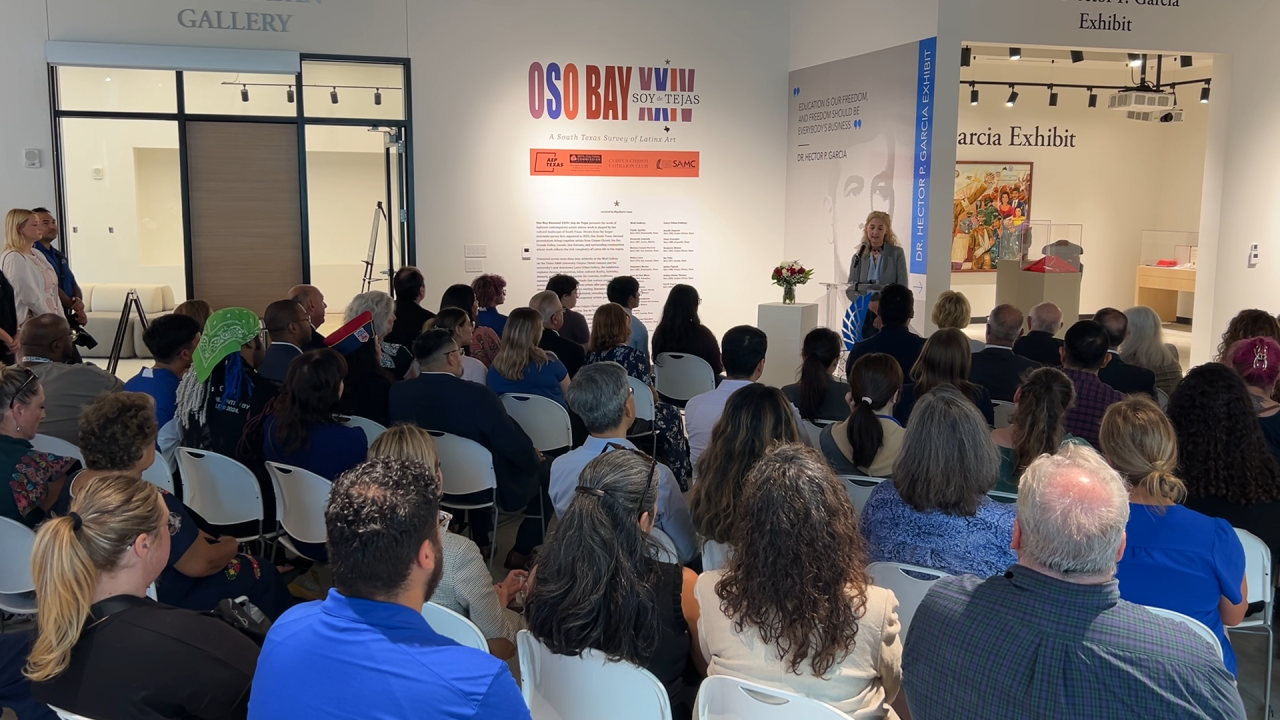
CORPUS CHRISTI, Texas — Texas A&M University–Corpus Christi (TAMU-CC) formally dedicated the Dr. Hector P. Garcia Archive and Exhibit Space at the new Larry Urban Gallery in the Downtown Building, 223 N. Chaparral, creating a permanent home for the papers and artifacts of one of South Texas's most influential civil rights leaders. The ceremony celebrated Dr. Garcia's enduring motto: "Education is Our Freedom, and Freedom should be Everyone's Business."
A Repository of Regional Memory
University officials emphasized that the archives function as the "reflective memory" of the South Texas community, providing scholars and residents alike with resources that foster identity and belonging. The collection documents Dr. Garcia's remarkable legacy as a physician, founding member of the American GI Forum, and unwavering advocate for civil and veteran rights.
The comprehensive collection includes his speeches, correspondence, and personal artifacts that chronicle decades of advocacy work that helped reshape civil rights in America.
Reconstructed History Comes Alive
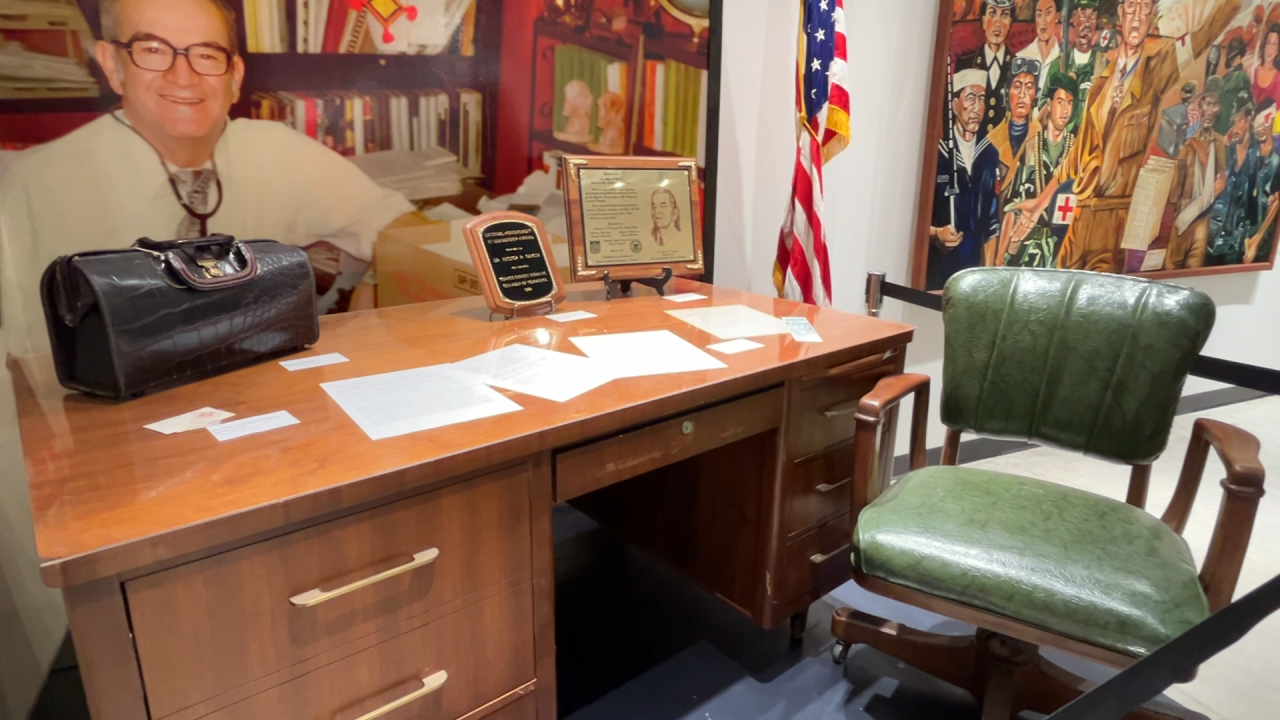
The centerpiece of the new permanent exhibit is a meticulous reconstruction of Dr. Garcia's medical office, complete with original furniture and professional instruments. Visitors can explore:
Office Environment: His original desk and chair, often photographed buried under patient charts and civil rights correspondence, recreate the workspace where medical practice and activism intersected.
Medical Tools: Dr. Garcia's medical bag sits alongside a voting machine he carried as a "constant companion" to community meetings, symbolizing his dual commitment to healing bodies and empowering communities.
Historical Documentation: Original minutes from the first American GI Forum meetings in 1948 and correspondence with national political figures provide insight into the organization's founding and growth.
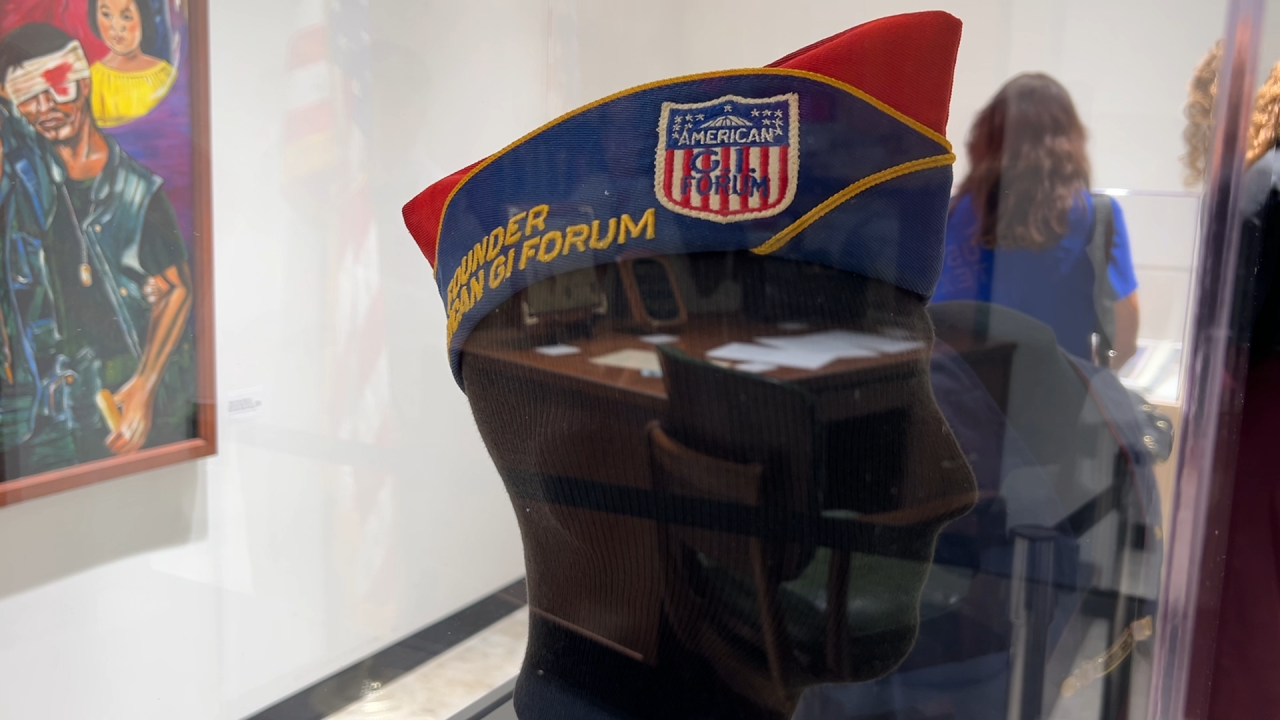
Personal Memorabilia: His iconic American GI Forum caps and collection of honorary degrees reflect both his grassroots activism and national recognition.
Standing among the carefully preserved artifacts in the Larry Urban Gallery, Garcia Akers marveled at the scope of her father's achievements: "He did things back in the day where there were no cell phones, no computers, he did all of his work on a manual typewriter and sent telegrams out and to think everything he accomplished today, what could he do if he had had a cell phone that would have been... It would have been really good."
Family Legacy Preserves History
Cecilia Garcia Akers, Dr. Garcia's daughter, shared the personal motivation behind preserving her father's legacy. The foundation's decade-long archival project began when her mother became distressed upon discovering Dr. Garcia had been omitted from a historical publication.
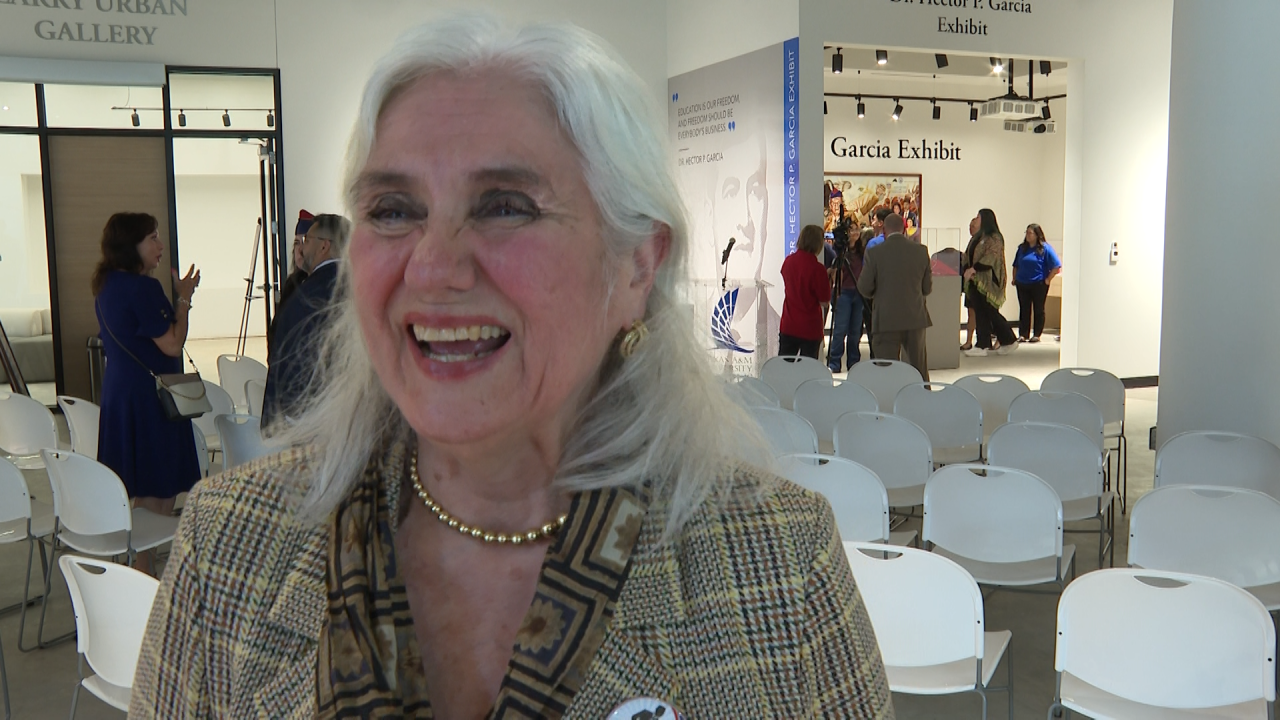
"We realized that if we didn't act, his contributions to American history might be forgotten," Akers explained during the dedication ceremony.
She emphasized the continuing relevance of her father's work: "Because he did so many things for this entire country, and people just need to know how the things he did 50 years ago, how it impacts their lives today."
A Doctor's Dual Mission
Garcia Akers painted a picture of her father as both a demanding parent and compassionate physician who served his community with extraordinary dedication.
"Well, he was very strict. We had to make straight A's, but the way he took care of his patients, he was very compassionate with them, educated them. Many of them did not speak English, but he made sure that he took care of them the best that he could. Extra special care," she recalled.
His commitment to patients extended far beyond medical treatment. "If they couldn't afford to go to the hospital, he would pay their way," Garcia Akers shared, illustrating the depth of his dedication to serving South Texas's underserved communities.
She highlighted her father's hands-on approach to civil rights work, including his practice of personally meeting the remains of every fallen veteran returning from Vietnam. Akers also noted his cultural impact, particularly his advisory role in Edna Ferber's novel "Giant" and the subsequent 1956 film, where the Mexican-American family's experiences with discrimination were directly influenced by the Garcia family's real-life encounters with prejudice in South Texas.
A Legacy for Today's Challenges
When asked what her father would focus on if he were alive today, Garcia Akers didn't hesitate: "He would make sure everybody was out there voting. That's the first thing. Know the candidates, get out there if you have to stand in line, get your ballot counted, and be there."
This emphasis on civic engagement reflects the voting machine displayed in the exhibit—a tool Dr. Garcia used to educate communities about their democratic rights and responsibilities.
Bridging Past and Present
The dedication also launched the OSO Biennial, a prestigious contemporary art survey that will be integrated into the gallery space. This pairing reflects the university's commitment to maintaining Dr. Garcia's legacy as a "living legacy" that connects historical advocacy with modern artistic expression.
The venue will regularly host speakers and artists, ensuring the space remains an active center for dialogue about civil rights, community engagement, and cultural expression.
Looking Ahead
The dedication marks the beginning of several upcoming commemorative events. Next Thursday will see the dedication of Dr. Hector P. Garcia Street, further cementing his place in the community's landscape.
Throughout Hispanic Heritage Month, the exhibits and OSO Biennial survey remain open to the public at the Larry Urban Gallery in the Downtown Building at 223 N. Chaparral, offering visitors an opportunity to engage with both historical legacy and contemporary artistic vision.
The archive represents more than a collection of documents and artifacts—it stands as a testament to Dr. Garcia's belief that education and freedom are inextricably linked, and that preserving the stories of those who fought for justice ensures future generations understand the price and value of civil rights.
The Dr. Hector P. Garcia Archive and Exhibit Space is open to the public during regular university hours at the Larry Urban Gallery, Downtown Building, 223 N. Chaparral. For more information about visiting hours and educational programs, contact Texas A&M University–Corpus Christi's special collections department.
For the latest local news updates, click here, or download the KRIS 6 News App.
