

CORPUS CHRISTI, Tx — Editor's note: This story has been updated to include a response from the City of Corpus Christi.
Two state officials are now on record warning that Corpus Christi's water emergency could arrive months earlier than the city has told the public — as early as May 2026.
State Rep. Denise Villalobos (R-House District 34) told KRIS 6 News in an interview Wednesday that city officials shared three possible scenarios during a meeting held about a week ago with her and Corpus Christi Water staff, including City Manager Peter Zanoni and interim COO Nick Winkelmann.
The three scenarios, as described by Villalobos:
- Worst case: May 9
- Medium case: September 12
- Best case: November 2026
The November date is the only timeline the city has consistently shared with the public. Villalobos told KRIS 6 News the city told her at that meeting there was "no hope" for that best-case scenario.
Villalobos is not alone in raising the alarm. In a signed letter to mayors, council members, and city managers dated March 9, Sen. Adam Hinojosa (R-District 27) wrote that recent updates indicate the Level 1 water emergency threshold may arrive as early as May 2026 — not November as previously projected. Hinojosa called the development a significant increase in urgency.
What a water emergency means
A Level One water emergency is not the moment Corpus Christi runs out of water. It is the point at which the city is 180 days away from no longer being able to meet demand — triggering a mandatory 25% cut in water use across residents, businesses, and industry alike.
For Corpus Christi's industrial sector — which includes some of the nation's largest oil and chemical refineries — water isn't optional. The Port of Corpus Christi is the third-largest exporter of crude oil in the world. Without enough water, there's no way to process it.
KRIS 6 News has previously asked the city to provide its updated water modeling. City Manager Peter Zanoni said Tuesday that updated scenarios — including worst-case projections — will be announced and discussed at the next city council meeting.
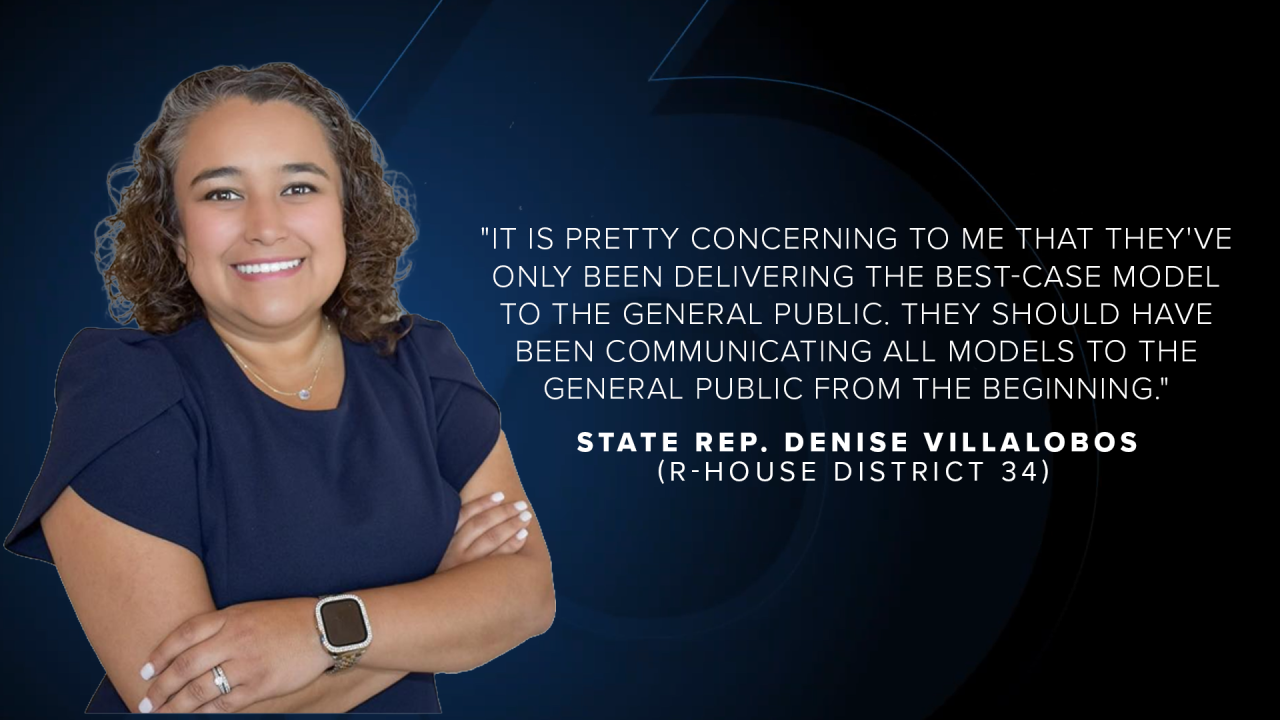
"It is pretty concerning to me that they've only been delivering the best-case model to the general public," Villalobos told KRIS 6 News. "They should have been communicating all models to the general public from the beginning."
The City of Corpus Christi responded to these statements via a written statement.
Based on the National Weather Service's updated 3-month weather outlook, increasing water quality challenges at Lake Corpus Christi, and updated data, the City began developing additional scenario models in late February. Engineering consultants for the City continue to develop a variety of new draft models based on updated weather forecasts, water-quality limitations, permitting for new water supplies, and other inputs. These draft models change based on evolving conditions and are updated frequently. This is an approach like hurricane modeling, which includes changing variables such as rainfall and other conditions. As draft models were developed, the City answered questions from City Council and from our legislative delegation in preparation for public discussion at next week's meeting on March 17.
Villalobos also questioned whether the city's drought contingency plan is adequate for the pace of the crisis. She noted that the city's primary curtailment tool — surcharges — may not be effective at reducing water use fast enough.
"Surcharges are not a way to implement something, especially if you're serious about something," she said.
The city met with the Texas Department of Emergency Management recently, the city addressed that meeting in a written statement to KRIS 6 News:
"The meeting with the Texas Division of Emergency Management (TDEM) was a technical planning session with the city’s emergency management team and related staff to review ongoing drought conditions and the new projects the city council has approved to deliver water. The meeting focused on coordinating with the state’s emergency management experts, reviewing available state resources to assist in the event of a Level One Water emergency, and stressing the importance of expedited permitting for the water supply projects needed. There will be ongoing coordination between TDEM and the City of Corpus Christi."
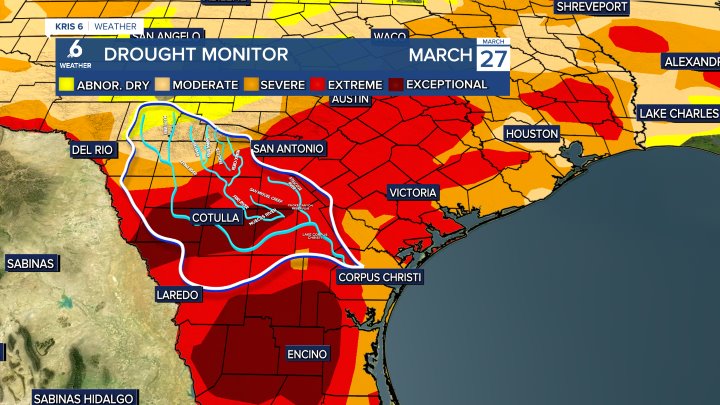
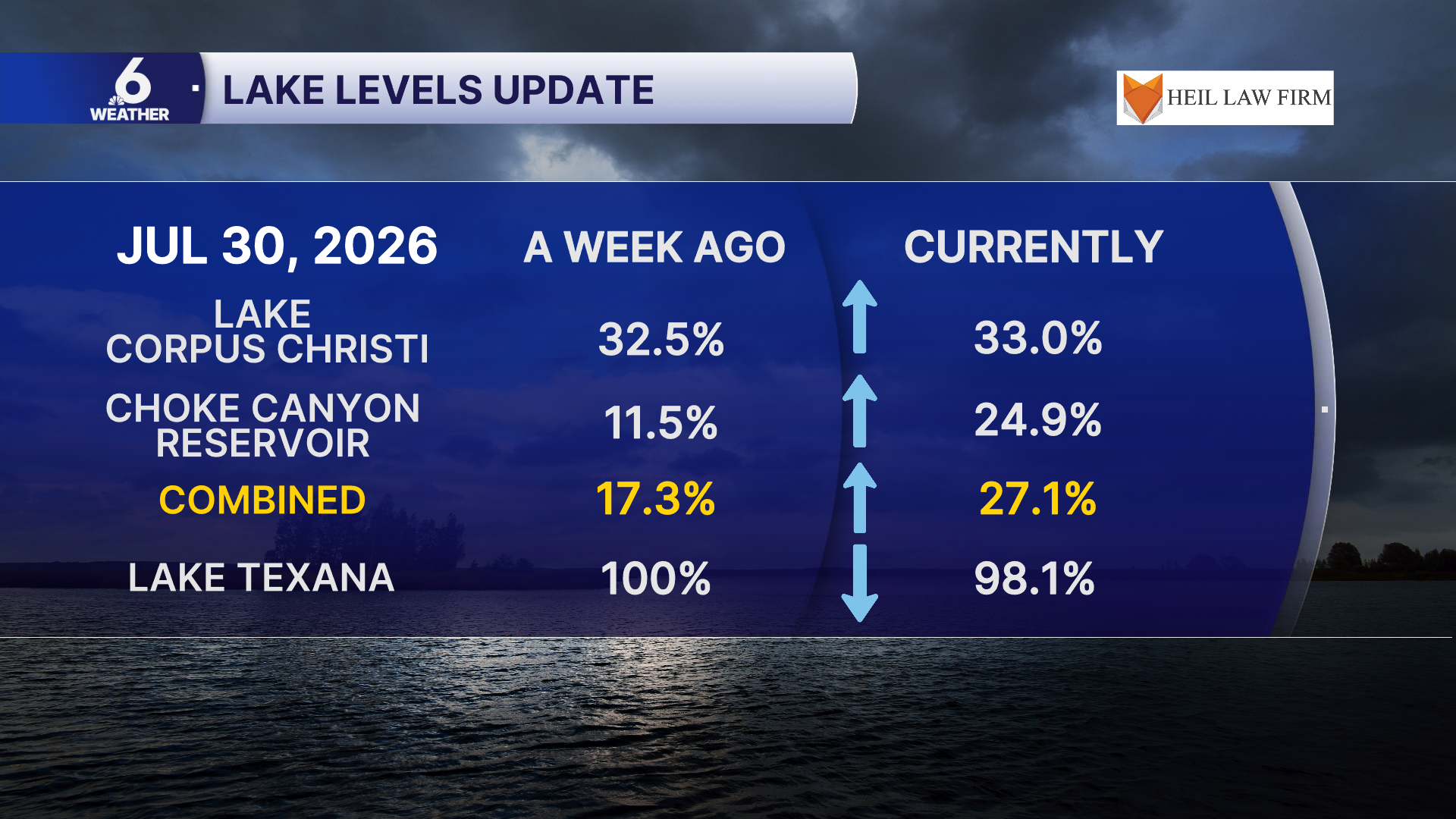
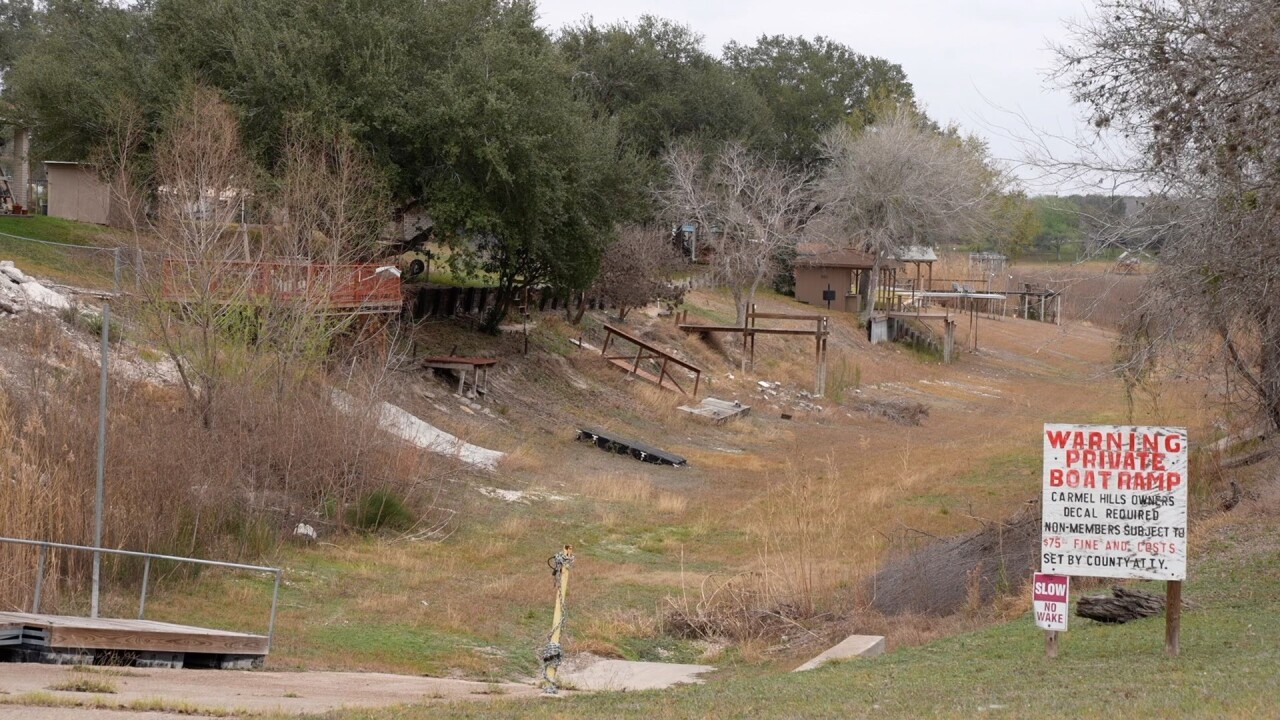
Corpus Christi's western reservoirs have shown no signs of recovery, prompting officials to update the water model that determines when curtailment or a Level One emergency could begin.
The city council is expected to address the updated water timeline at Tuesday's meeting.