ROBSTOWN, Texas — A $1.7 million water line connecting Robstown to Corpus Christi’s O.N. Stevens Water Treatment Plant could be operational within 30 days, city and district officials said Monday. The accelerated timeline comes in response to recent arsenic and elevated total dissolved solids (TDS) readings affecting the water in WCID #3, which currently relies largely on water drawn from the Nueces River.
The new interconnect would allow the district to receive treated water from Corpus Christi and blend it with local supplies, helping stabilize water quality for residents.
Officials Respond to Water Quality Concerns
The expedited project follows a weekend social media post by District 34 State Rep. Denise Villalobos, who said she contacted the Texas Commission on Environmental Quality (TCEQ) and Corpus Christi officials after residents raised concerns about water safety. “People should be able to trust what comes out of their taps,” Villalobos wrote, noting that additional testing was underway.
“TCEQ is out doing more testing of our area today and having a meeting with NCWID #3 to talk through solutions,” she added. Corpus Christi officials indicated the interconnect could be implemented “in one month or less.”
Disputes Over Water Sources
Some discussion has focused on whether Corpus Christi’s city wells are contributing to higher readings. WCID #3 Board President Ramiro Alejandro suggested in comments under Villalobos’ post that the wells may be a factor.
City officials disputed that claim at Monday’s meeting in Robstown. “The majority of the wells are almost non-detect for arsenic...it's minuscule compared to what we are seeing coming out of the lakes,” City Manager Peter Zanoni said. “No doubt the wells are contributing to the high TDS, but those are two separate issues.”
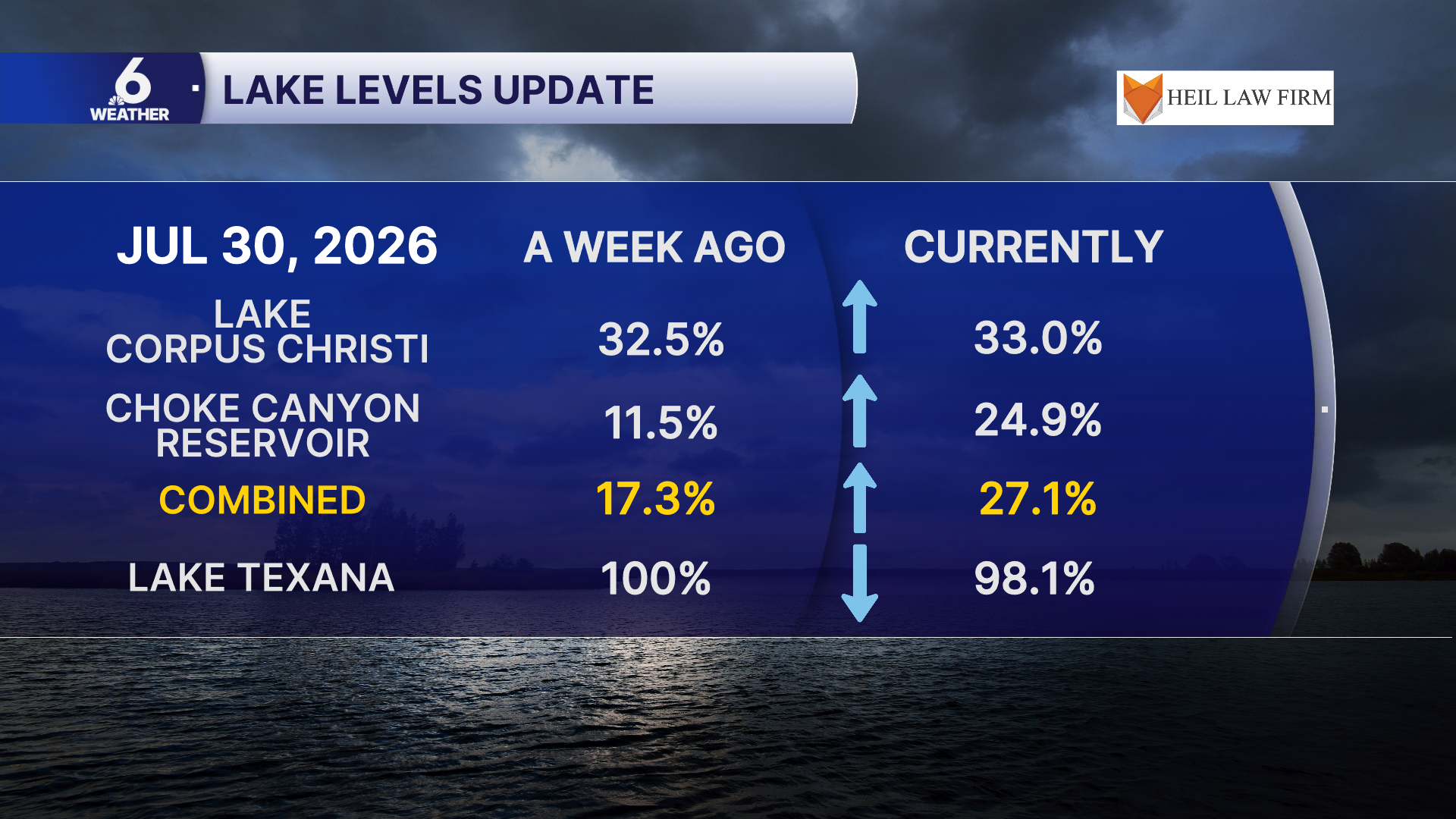
Zanoni explained that declining lake levels are causing arsenic levels to rise, while elevated TDS readings are largely caused by minerals such as chlorides. A city laboratory report detailing those findings is expected soon.
Dual Sources of Elevated Readings
WCID #3 General Manager Marcos Alaniz reviewed city data and said both declining lake levels and groundwater reliance are influencing current readings. “The lakes are pushing arsenic … the wells are pushing TDS. We’re getting it from both sides,” Alaniz said.
Recent arsenic readings were slightly above the Environmental Protection Agency’s maximum contaminant level of 10 parts per billion, which triggered the required public notice. Officials emphasized that the water remains safe to drink.
Project Background
The interconnect project was previously approved by Corpus Christi City Council with a price tag of $1.7 million. Its completion is now being accelerated to address ongoing water quality concerns in WCID #3.