ROBSTOWN, Tx — Residents in Robstown are expressing concern after learning their drinking water exceeded federal arsenic limits. KRIS 6 News reached out to local water officials to find answers.
As previously reported, the Texas Commission on Environmental Quality informed the Nueces County Water Control and Improvement District 3 that their drinking water exceeded federal arsenic limits. After neighbors got their letters in the mail, the notification sparked worry among community members. Residents told Neighborhood News Reporter Stephanie Molina that they have been tasting a difference in their water for a while now.
"I do see the difference from the tap water to the bottled water," said Ana Jaramillo, a Robstown neighbor.
Stephen Tamez, another resident, described the noticeable difference in taste.
"If I were to like get some water from here or get some water from McDonald's or Whataburger, there you can kind of tell the difference," Tamez said.
Steve Robledo, water production superintendent for the district, showed KRIS 6 News where they get their water sampled.
"This is our TCEQ designated sample site where TCEQ takes a quarterly sample for system. This is entry point before it gets to the distribution system," Robledo said.
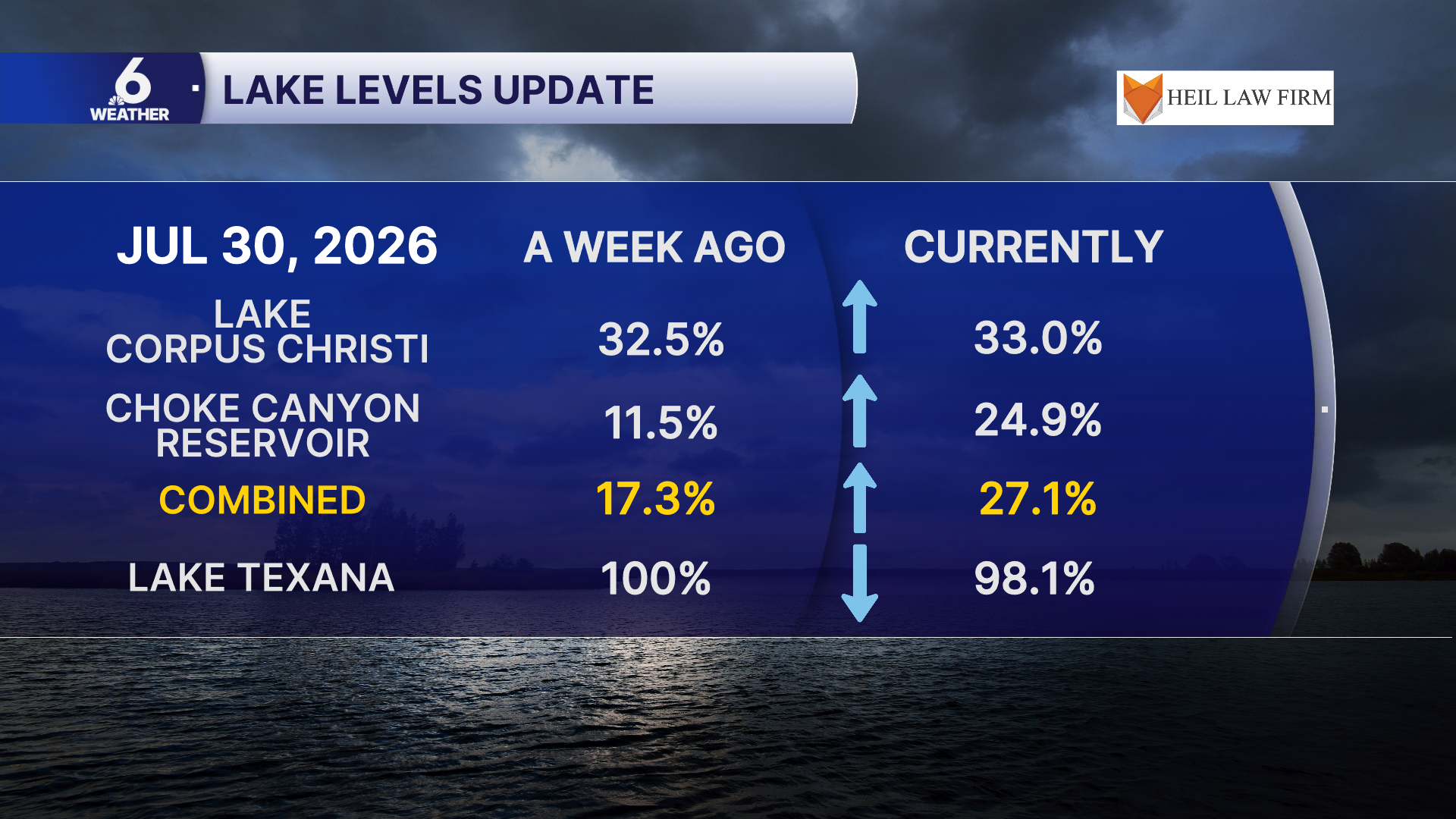
The district said they currently have licensed professionals working to identify the source of the elevated arsenic levels. Officials point to low water levels in tributary creeks, wells and lakes as a contributing factor to the problem.
Marcos Alaniz, district manager of NCWCID 3, explained how drought conditions concentrate contaminants.
"Being that they're at 9%, everything's coming to a small pond, right, so everything's concentrating in one little pool versus it being diluted out in when it's full… it's gonna get worse as the ponds get smaller," Alaniz said.
Many residents have asked whether boiling water would help remove arsenic, but Alaniz explained the difference between treating heavy metals and bacteria.
"Boiling was not gonna help with, will not help with the arsenic," Alaniz said. "You know, arsenic is a heavy metal. We have to catch that before it gets into the plant. So boiling is not like bacteria, right? That's when you boil water, when you've got, bacteria in the water, low chlorine dosage that usually take care of that, we'll be put into a water boil notice when you detect bacteria in the water."
The district said they are conducting special samplings and taking precautions, with officials hoping the next reading will show improved levels.
While officials emphasize this is not an emergency situation, they acknowledge residents' health concerns. The news has left some community members with worries.
"It's a little concerning now, because... I don't know what that word means, but that doesn't mean good," Tamez said.
Jaramillo expressed additional concerns about daily water use.
"Now that you mention, you know, washing the dishes or, or whatever, yeah…not safe," Jaramillo said.
The district is exploring alternative water sources, including acquiring a secondary source with the City of Corpus Christi.
However, some residents are thinking twice about their water consumption.
"I was really kind of dealing with it as it is what it is, but now I'm kind of like, I think I'll just stick to juice or something," Tamez said.
Nueces County Water Control and Improvement District 3 recommends residents continue normal water use while they work on solutions. The district encourages anyone with questions to contact them directly.