


CORPUS CHRISTI, Texas — The Alamo has acquired a rare swivel cannon used during the historic 1836 Battle of the Alamo, bringing the total number of battle-used cannons in its collection to 11.
The newly acquired piece is a compact swivel cannon weighing approximately 90 pounds and measuring roughly three feet in length. These lightweight, versatile weapons were mounted on swivels for quick aiming and were often used in defensive positions to deliver rapid fire against advancing forces.
Like many cannons from the battle, this example bears the scars of conflict. It is missing its trunnions — the projecting lugs that allowed pivoting and mounting — and cascabel, the knob at the breech. The Mexican army deliberately removed these components after their victory to render the weapons inoperable and prevent reuse by Texian forces.

The cannon's survival story traces back to Samuel Maverick, a key figure in early Texas history. Maverick, a signer of the Texas Declaration of Independence, arrived in Texas with ambitions to build a land empire just as the Texas Revolution intensified.
He reached San Antonio shortly before the Siege of Bexar in late 1835. Soon after, Mexican General Martín Perfecto de Cos placed him under house arrest alongside John W. Smith and A. C. Holmes, confining them within the city. During this period, Maverick maintained a detailed diary that offers one of the most vivid contemporary accounts of the siege.
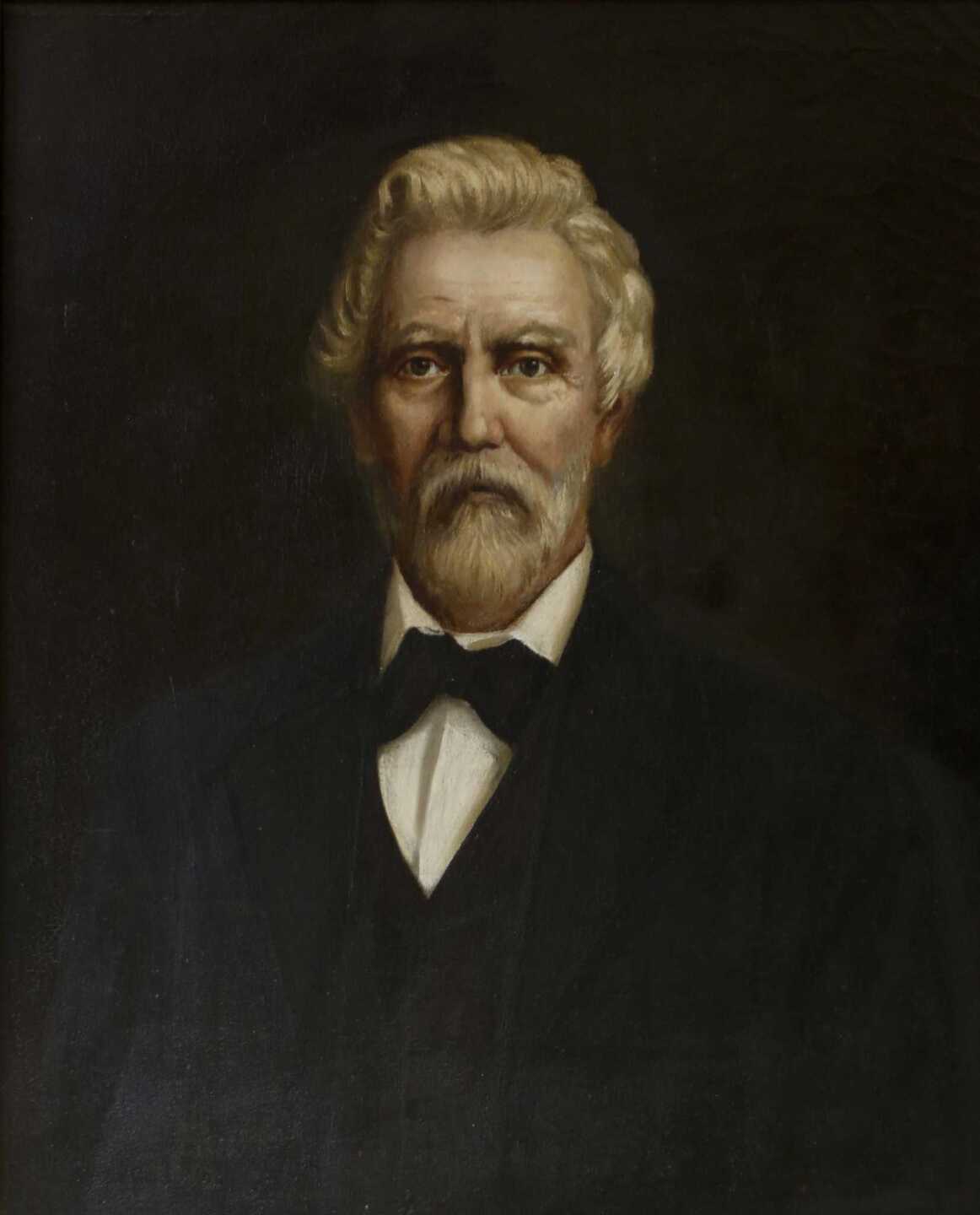
Released on December 1, Maverick and Smith hurried to join the Texian besiegers' camp, where they advocated for an immediate assault. When the attack commenced on December 5, Maverick served as a guide for Benjamin R. Milam's division, helping lead the successful recapture of Bexar.
He remained in San Antonio afterward and, in February 1836, was elected as one of two delegates from the Alamo garrison to the independence convention at Washington-on-the-Brazos, set for March 1.
Maverick departed the Alamo on March 2 and arrived at the convention on March 5. While there, he suffered a severe bout of chills and fever. After the delegates concluded their work — including signing the Declaration of Independence on March 2 — he traveled to Nacogdoches.
Still unwell and drawn by family matters, he left for Alabama around the time of Sam Houston's decisive victory at San Jacinto on April 21, 1836.
In 1852, Maverick built a home adjacent to the northwest corner of the former Alamo fort's walls — a location chosen partly out of reverence for his fallen comrades from the battle. During construction on the property, now the site of the Hotel Gibbs, workers unearthed a cache of buried cannons.
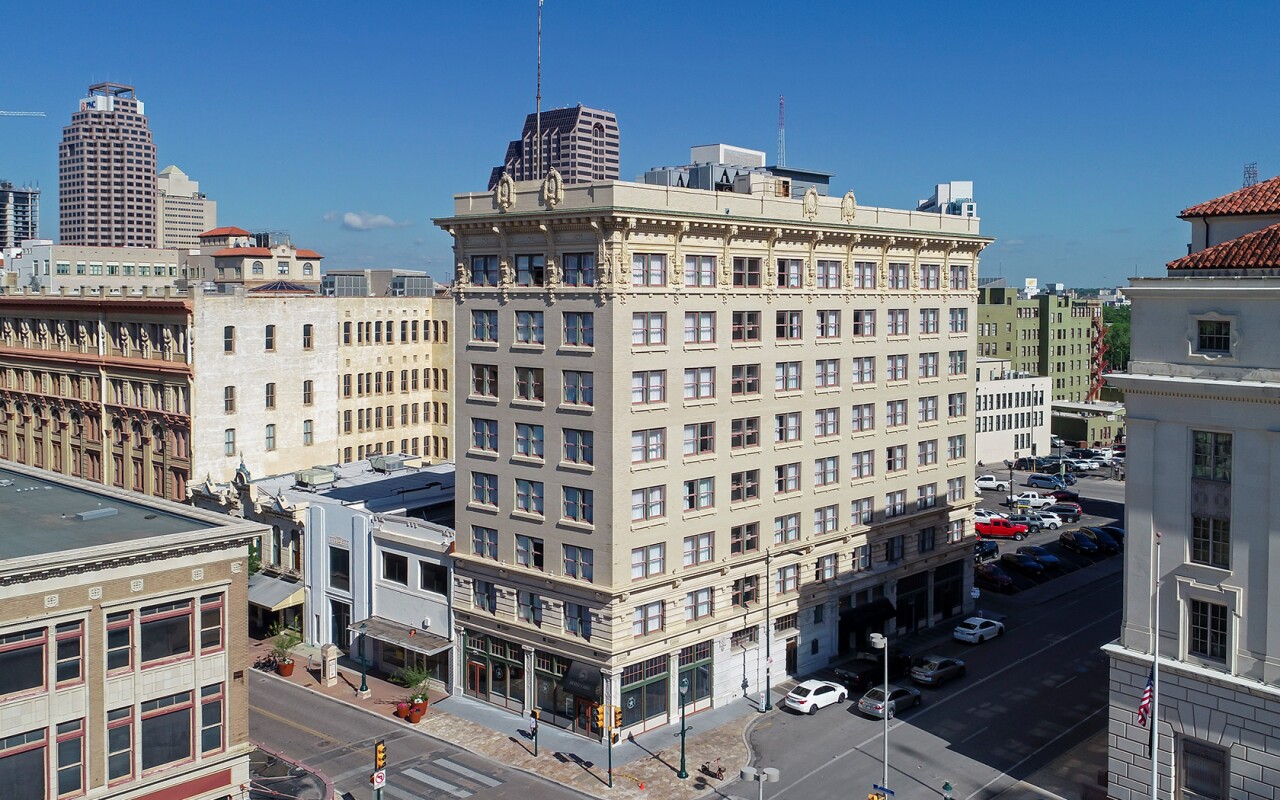
These were remnants of the artillery disabled and interred by Mexican forces after the fall of the Alamo, ensuring the site could not be quickly refortified. Historical accounts indicate that 13 cannons were discovered in this 1852 find, many of which have since entered collections or been repurposed, with several donated by the Maverick family or their descendants to the Alamo itself.
This latest swivel cannon, preserved through generations, now joins those historic pieces. Once conservation and preservation work is complete, it and the other battle-used cannons in the Alamo Collection will be prominently displayed in the new Visitor Center and Museum, part of the ongoing Alamo restoration and redevelopment project.

The expanded facilities are scheduled to open in late 2027, promising visitors an immersive experience that honors the courage, sacrifice and legacy of the 1836 defenders.
This acquisition not only adds a tangible link to the battle but also underscores the enduring connection between Maverick's life, his eyewitness role in the revolution and the physical remnants of the fight for Texas independence that continue to surface and be safeguarded.
For the latest local news updates, click here, or download the KRIS 6 News App.
Catch all the KRIS 6 News stories and more on our YouTube page. Subscribe today!
