


Corpus Christi's District 5, encompassing much of the city's rapidly growing Southside, stands at a pivotal moment as residents confront a perfect storm of challenges that mirror broader citywide struggles while highlighting unique local pressures.
The district, bounded by FM 43 and Oso Bay south of Saratoga Boulevard and Holly Road, has emerged as one of the city's success stories in recent years. With crime rates roughly one-sixth that of District 1 and consistently high voter turnout, the area represents both the promise and the pressure points of Corpus Christi's development.
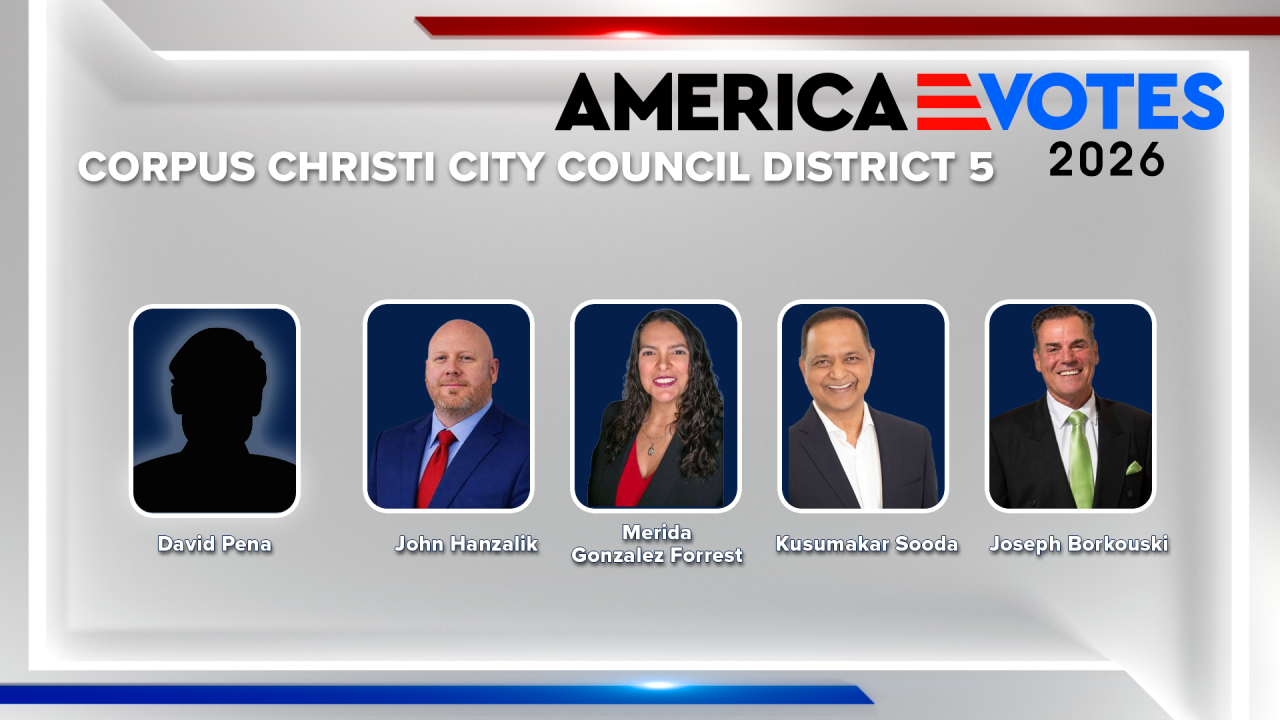
Water Crisis Takes Center Stage
At the heart of District 5's concerns lies the city's mounting water supply crisis. With reservoirs at historic lows due to prolonged drought, residents face the specter of major water curtailments while watching an increasingly contentious debate unfold over the proposed Inner Harbor seawater desalination plant.
The desalination project, with costs ranging from hundreds of millions to over $1 billion, has become a lightning rod for community frustration. District 5 residents have voiced sharp criticism at council meetings, particularly regarding the perceived inequity of residential water restrictions while industrial users face fewer limitations.
"Industry uses the bulk of water but residents face restrictions and higher bills," captures a common refrain from Southside constituents who question the fairness of current water allocation policies.
Council Member Gil Hernandez, who has represented District 5 since 2019 and is now running for mayor in November 2026, has advocated for alternative approaches including groundwater exploration, wastewater reuse, and conservation measures rather than rushing into the costly desalination project.
Infrastructure Struggles Amid Rapid Growth
The district's growth trajectory, while economically positive, has strained existing infrastructure. Residents continue to raise concerns about street conditions, incomplete projects, and persistent drainage problems. The Snead neighborhood exemplifies these challenges, where pavement-only improvements left drainage issues requiring vacuum trucks to address flooding.
Bond 2024 allocated about $17.3 million for District 5 street and storm projects, including design and reconstruction on Cimarron, Acushnet, Rodd Field, and Brooke streets, along with trail connectivity improvements. The citywide Rapid Pavement Program offers additional hope for addressing the backlog of street maintenance needs.
However, the pace of development continues to outstrip infrastructure capacity, creating ongoing pressure on utilities and transportation networks that serve the expanding Southside communities.
Fiscal Pressures Mount
District 5's growth has not insulated it from the city's broader fiscal challenges. With municipal debt reported in the $1.6 billion to $3 billion range depending on accounting methods, residents face mounting pressure from multiple directions.
Water and sewer rates continue to climb because of EPA consent decrees, new supply project costs, and operating expenses. Property taxes, while rates remain steady, effectively increase as appraisals rise. Hernandez has consistently advocated for fiscal caution, opposing additional user fees that would further burden residents already facing higher utility bills.
"Southside taxpayers want more services for their contributions," reflects the growing expectation that the district's economic growth should translate into improved city services and amenities.
Service Gaps and Quality of Life
Despite its economic vitality, District 5 remains underserved in city facilities compared to other areas. The Garcia Library stands as the primary municipal facility, leading residents and Hernandez to advocate for additional recreation centers, senior centers, and community services.
Recent progress includes the area's first new swimming pool in decades and plans for a Southside police substation to improve emergency response times. These developments represent important steps toward addressing the service gap, though residents continue pushing for more comprehensive amenities.
Looking Ahead: Elections and Accountability
As Hernandez prepares his mayoral campaign, District 5 faces a transition period that coincides with broader questions about city governance and accountability. The mayor's 2026 suspension over a hotel incentive deal has heightened scrutiny of City Hall operations, particularly regarding transparency in water policy and spending decisions.
The district's engaged resident base, evidenced by strong council meeting attendance and vocal advocacy on water and infrastructure issues, positions it as a critical constituency in upcoming municipal elections. Their priorities—reliable basic services, reasonable utility bills, and adequate infrastructure—reflect fundamental governance expectations that extend far beyond district boundaries.
The Road Forward
District 5's experience encapsulates Corpus Christi's broader challenge: managing growth while maintaining fiscal responsibility and ensuring equitable service delivery. The district's relatively strong economic position and engaged civic culture provide advantages, but cannot shield residents from citywide policy decisions on water, debt, and infrastructure investment.
As the 2026 election approaches, District 5's voice in debates over desalination, fiscal policy, and infrastructure priorities will likely prove influential in shaping the city's direction. The district's success in balancing growth with livability may serve as a model—or cautionary tale—for other areas facing similar pressures.
The coming months will test whether Corpus Christi can address its water crisis, infrastructure needs, and fiscal challenges in ways that serve both growing districts like District 5 and the broader community. For Southside residents, the stakes couldn't be higher as they seek to preserve the quality of life that has made their area one of the city's bright spots while ensuring sustainable solutions to pressing municipal challenges.
