

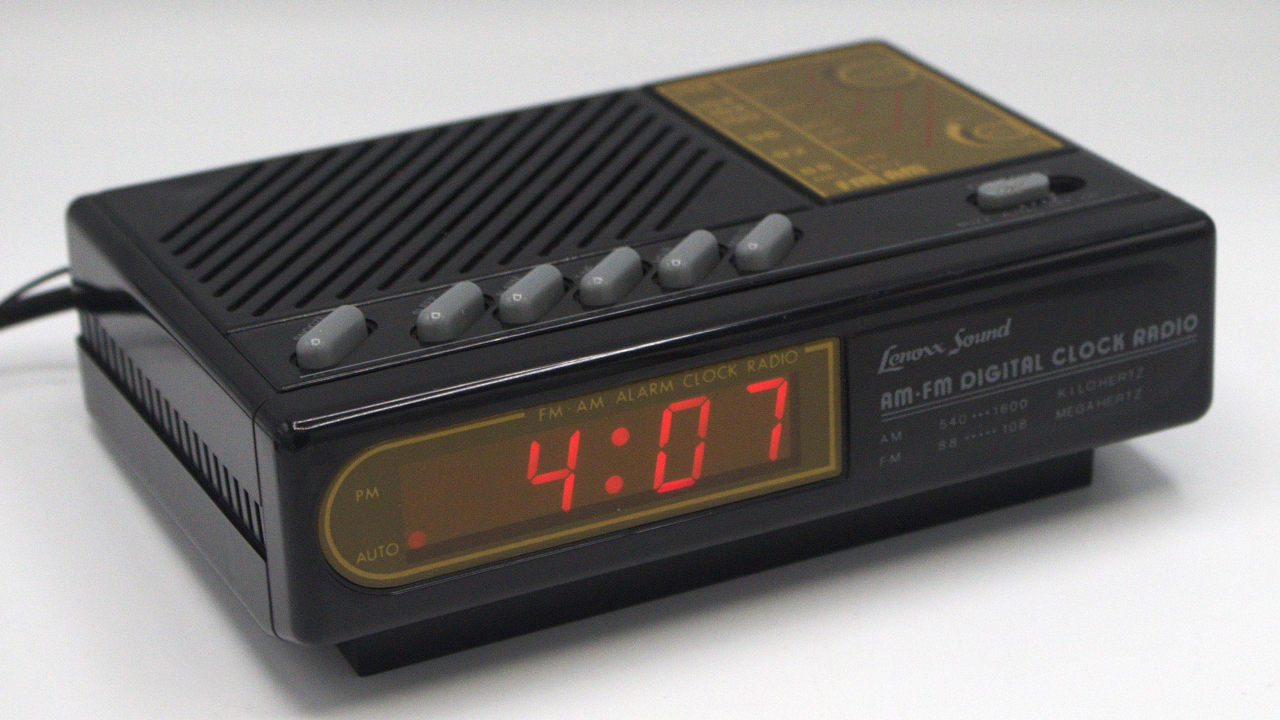


CORPUS CHRISTI, Texas — The House passed legislation Tuesday that would make daylight saving time permanent across the nation, offering potential relief to Americans who dread the biannual ritual of changing their clocks.
The Sunshine Protection Act passed 308-117 and would keep the country on the time schedule currently observed from March to November. Texas is among 19 states that have already passed legislation allowing year-round daylight saving time if Congress approves it at the federal level, according to the National Conference of State Legislatures.
Rep. Scott DesJarlais, R-Tenn., who presided over the vote, celebrated by playing the Beatles' "Here Comes the Sun" on his phone as he announced the final tally.
President Donald Trump has publicly pushed Congress to pass the legislation, sponsored by Rep. Vern Buchanan, R-Fla. Writing on Truth Social in May, Trump said he would "work very hard to see The Sunshine Protection Act signed into Law."
"It's time that people can stop worrying about the 'Clock,' not to mention all of the work and money that is spent on this ridiculous, twice yearly production," Trump wrote.
Rep. Rich McCormick, R-Ga., cited his background as an emergency room doctor in supporting the bill for mental health reasons.
"You get more depression, you get out of joint" with the time adjustments, McCormick said.
The bill now faces an uphill battle in the Senate, where it is not expected to receive quick passage despite the House's overwhelming support.
A Senate version of the Sunshine Protection Act stalled last year after Sen. Tom Cotton, R-Ark., objected to fast-tracking the legislation. Cotton raised concerns about potential negative consequences, including parts of the country where the sun would not rise until 9 a.m. or later during winter months. A senior Hill aide said Tuesday that Cotton maintains his concerns about the proposal, and that several senators from both parties have opposed the Senate version in committee.
Senate Majority Leader John Thune, R-S.D., told NBC News Wednesday that he remains cautious about the mandate approach.
"I just don't think we want a mandate, and that was tried once before and repealed, but we're looking at it," Thune said.
Rep. Tim Burchett, R-Tenn., also expressed doubt about Senate passage despite constituent support.
"I'm kind of digging the fact that we're going to fix it, I hope," Burchett said. "See if the Senate takes it up. They probably won't, but we'll see."
The twice-yearly clock changes remain unpopular among Americans, according to a 2025 AP-NORC poll, though opinions are divided on how to fix the system.
The issue has historical precedent. In the 1970s, President Richard Nixon signed similar legislation during the oil crisis, but it was repealed after less than a year due to public disapproval of dark winter mornings.
The biannual time change has been officially nationwide since the Uniform Time Act of 1966. Only Arizona, Hawaii and various U.S. territories currently avoid the twice-yearly clock changes.
For the latest local news updates, click here, or download the KRIS 6 News App.
Catch all the KRIS 6 News stories and more on our YouTube page. Subscribe today!
