

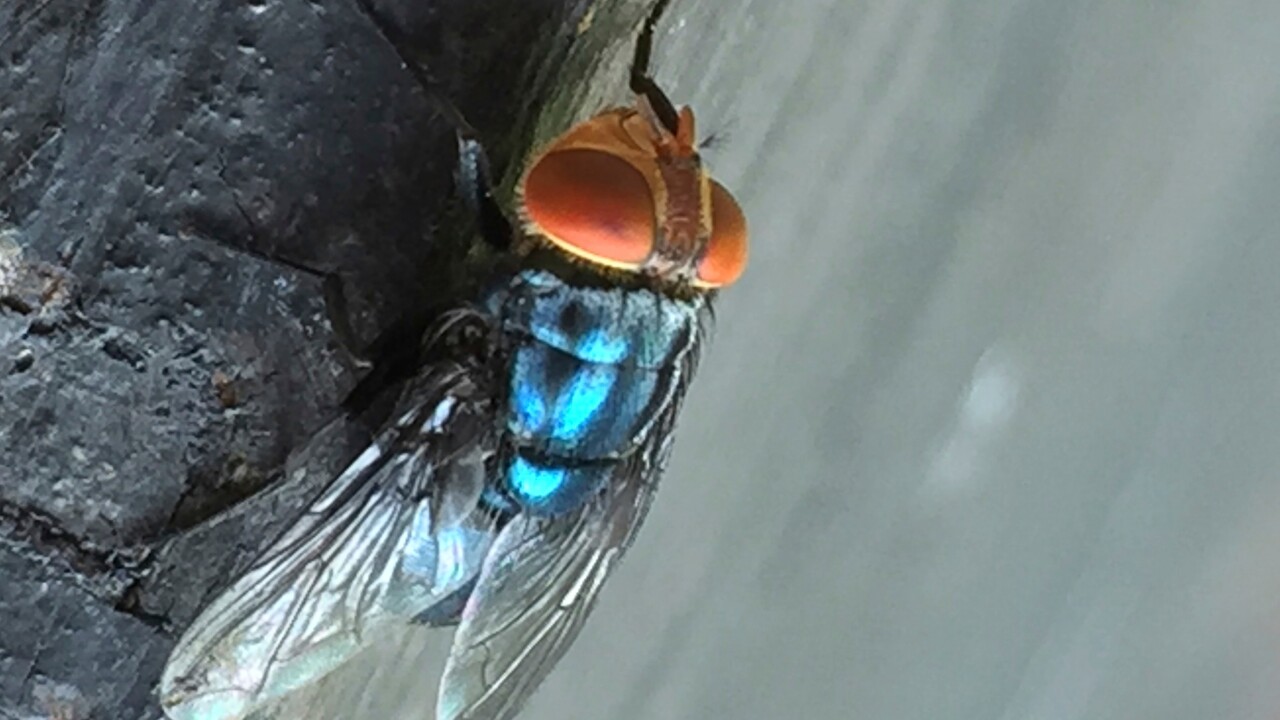


CORPUS CHRISTI, Texas — The U.S. cattle population is at its lowest level in 75 years, and beef prices have already risen about 75 percent since 2020. Now, an unwelcome threat has re‑emerged: the New World screwworm, a dangerous blowfly whose larvae can burrow into the flesh of livestock, often killing them if untreated.
In recent weeks, agricultural officials confirmed multiple screwworm cases in Texas and New Mexico, including infections in cattle, a dog, and other animals. The discovery marks a comeback for a pest thought eradicated from the United States more than four decades ago.
What Is the Screwworm?
Despite its name, the screwworm is not a worm but a species of blowfly native to the southern U.S. Females seek out open wounds on warm‑blooded animals, where they can lay 200 to 300 eggs. These hatch into larvae with hooked mouths designed to tear flesh and burrow deeper.
If untreated, wounds become open sores that can rot, attracting other fly species. The infection causes severe pain, fever, and in livestock, especially young animals, a high likelihood of death.
A Proven Playbook for Eradication
The United States eradicated screwworms by 1982 using a groundbreaking technique: mass‑producing sterile male flies and releasing them in affected regions. Because females only mate once, breeding with a sterile male ends their reproductive cycle. Experts say this remains the most effective strategy.
Arthur Erickson, CEO and co‑founder of agricultural drone company Hylio, told us he’s confident the outbreak can be contained:
“This is actually something that we've dealt with before… it was nearly eradicated back in the 60s,” Erickson said. “The way they killed it the first time around was releasing sterile bugs… it can't actually go on to further reproduce.”Currently, screwworm infections appear in sparsely populated areas such as southwestern Texas and parts of New Mexico. Erickson says limited spread potential, combined with active containment efforts by the Texas Department of Agriculture and USDA, is reason for optimism.
The Stakes if Containment Fails
While the outbreak is still restricted, the economic risk is significant. In Texas alone, a widespread screwworm spread could cause $1 to $2 billion in damage — from livestock deaths, medical treatments, and increased labor.
“If untreated, cattle can die within a week or two,” Erickson explained. “Lower beef supply means prices go up… we’ve already seen beef nearly double since pre‑COVID.”
USDA estimates from 2024 warn that the Texas economy could lose $1.8 billion annually in the event of an uncontrolled outbreak.
Detection: From the Pastures to the Sky
Early detection dramatically reduces mortality, sometimes to below 5% in treated animals. Erickson says modern drone technology can help spot sick livestock before symptoms worsen.
Thermal cameras mounted on drones can identify animals with slight fevers, allowing ranchers to inspect them for wounds and infection. Erickson has seen these methods firsthand through collaborations with Texas A&M and Kansas State researchers.
“Drones aren’t the silver bullet,” he said, “but they let farmers sort through hundreds of cattle quickly to find ones that need a closer look.”
Prevention: Keep Herds Healthy
While sterile‑fly releases will continue, prevention at the ranch level is critical. Screwworm flies are attracted to open wounds, so farmers should treat injuries promptly and bandage them to remove easy targets.
“Insecticides and repellents, even applied via drone, can also lower infection risk,” Erickson said. “It’s like the same logic you’d use with kids: wash scraped knees and cover them so nothing gets in.”
Does Infected Meat Pose a Risk to Humans?
Erickson says protocols require infected animals to recover before they can be processed for meat. While he’s not a food safety expert, he believes strong safeguards prevent infected beef from reaching stores.
Still, as a precaution, he suggests cooking beef thoroughly for the time being, avoiding ultra‑rare preparations if concerned.
Why the Screwworm Came Back
Erickson speculates the pest may have crossed from Mexico, where control measures are less stringent in some regions. Screwworms were eradicated in the U.S., but not worldwide, and South Texas’ warm climate allows them to survive year‑round.
NBC’s reporting points to a key vulnerability: the closure of older sterile‑fly plants in Texas, Mexico, and Central America over the years. The only active facility now is in Panama, producing far fewer sterile flies than U.S. campaigns in the 1960s and 70s.
Outbreaks in Central America began moving north in 2023, eventually reaching the U.S.
The Federal Response
The USDA is investing $750 million in a new Texas facility designed to produce about 300 million sterile screwworms each week — three times current capacity — but it won’t be operational until late 2027. Meanwhile, containment teams are working to blanket outbreak zones with sterile males to stall spread.
Financial Help for Ranchers
Government relief programs often follow disasters like drought or floods, and Erickson says compensation for screwworm losses is likely. But he warns not to rely on help that could take months or years to arrive.
“An ounce of prevention is worth a pound of cure,” he said. “Ranchers are their own first responders, take proactive steps now.”
The Bottom Line:
The screwworm poses a serious threat to livestock and the beef supply, but decades‑old eradication methods remain effective. Ranchers, agriculture officials, and researchers are moving quickly to contain the outbreak, and with detection and prevention, the impact can likely be kept minimal.
For more information on prevention and updates from agriculture officials, visit our station’s agriculture news section.
For the latest local news updates, click here, or download the KRIS 6 News App.
Catch all the KRIS 6 News stories and more on our YouTube page. Subscribe today!
