FLOUR BLUFF, Texas — A viewer question has renewed discussion around a long-studied water project in the Coastal Bend: why the City of Corpus Christi did not build a desalination plant at the Barney Davis Power Plant years ago, and whether it could happen now.
The Barney M. Davis Power Plant, located along the Laguna Madre in Flour Bluff, has appeared in regional water planning documents for decades as a potential site for desalination. The location is often cited as favorable because the plant already draws in seawater for cooling and sits close to the Gulf of Mexico, two key components needed for a desalination facility.
In theory, a plant at Barney Davis would take seawater and remove the salt, creating a new supply of drinking water for the region.
Why the site has been studied for so long?
Engineers and water planners have studied the Barney Davis site for more than 20 years. It has consistently been described as technically feasible and has appeared in multiple Coastal Bend Regional Water Plans as a long-term option.
However, being technically feasible does not mean a project is ready to be built.
Why it didn’t happen around 2010?
Around 2010, the city faced several major obstacles that prevented the project from moving forward.
Former Corpus Christi City Council member Kevin Kieschnick, now the Nueces County Tax Assessor-Collector, has said the city did not need the additional water supply at the time and could not justify the cost. Industrial demand was lower, and existing water sources were meeting regional needs.
Cost was one of the largest barriers. Even then, a full-scale desalination plant at Barney Davis would have required hundreds of millions of dollars to build. Current estimates place the cost closer to $600 million, with tens of millions of dollars per year in operating expenses, largely due to the energy-intensive process required to remove salt from seawater.
Beyond cost, the project faced several unresolved hurdles, including:
- Environmental permits to draw seawater and discharge concentrated brine
- Federal and state regulatory approvals
- Construction of long pipelines and supporting infrastructure
- Coordination with multiple agencies and jurisdictions
At the time, desalination was viewed as a future backup option rather than an immediate necessity, especially with cheaper water sources still available.
Because of those factors, city leaders say it is not accurate to claim the city simply chose not to build a desalination plant. The project was not financially or logistically ready to move forward.
Why the conversation is happening again?
More than a decade later, the region’s water outlook has changed.
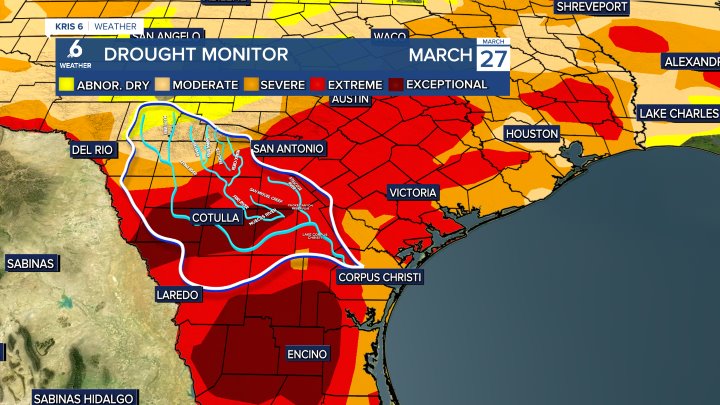
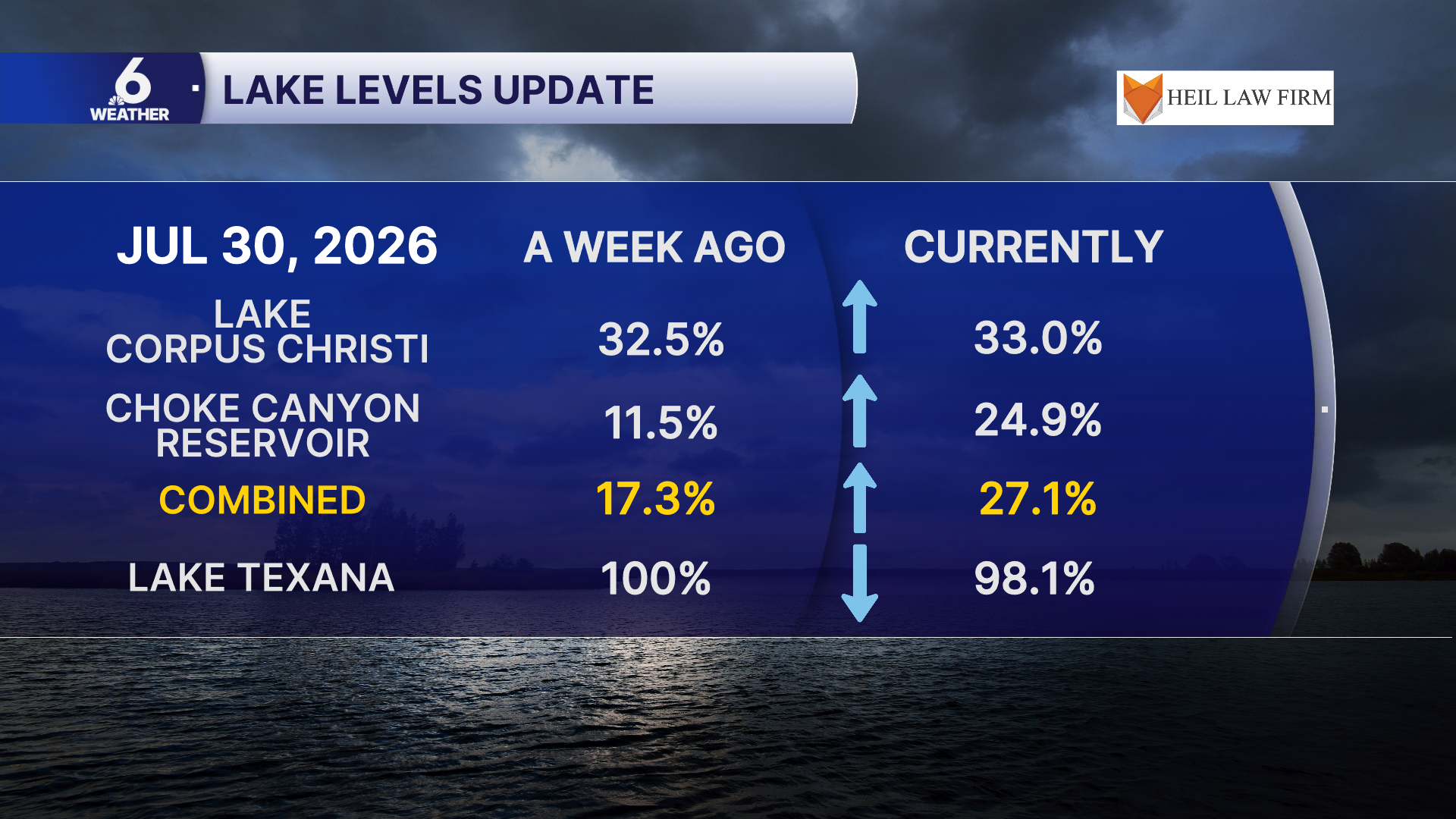
Population growth, increased industrial activity, and long-term drought concerns are putting additional strain on traditional water supplies. As a result, desalination is being reconsidered as part of a broader water strategy.
The current Coastal Bend Regional Water Plan includes a 20-million-gallon-per-day desalination option at Barney Davis, with some officials saying it could provide up to 100 million gallons per day. The project, however, remains a long-term possibility rather than an approved build.
Corpus Christi City Councilman Roland Barrera says the site still has advantages but emphasized the process would be lengthy.
“There’s already power there, that’s one very positive thing, and that’s always been the appeal,” Barrera said. “The other thing is the proximity to the Gulf. We still obviously have to get all the permitting. There would still be a long process that would be two to three to four years out.”
What happens next?
There is currently no final decision to build a desalination plant at Barney Davis. Any move forward would require funding approvals, environmental permits, regulatory review, and several years of construction to add onto the existing power plant operations.
For now, the site remains a planning option as city leaders and water planners weigh long-term water needs for the Coastal Bend.
Bottom line.
Barney Davis has long been considered a strong location for desalination, but the debate has never been solely about location. Cost, environmental impacts, permitting, and timing have all played major roles.
Whether the city ultimately moves forward with a desalination plant at Barney Davis remains an open question, one that will likely depend on future water demand, funding availability, and regulatory approval.
For the latest local news updates, click here, or download the KRIS 6 News App.
Catch all the KRIS 6 News stories and more on our YouTube page. Subscribe today!