

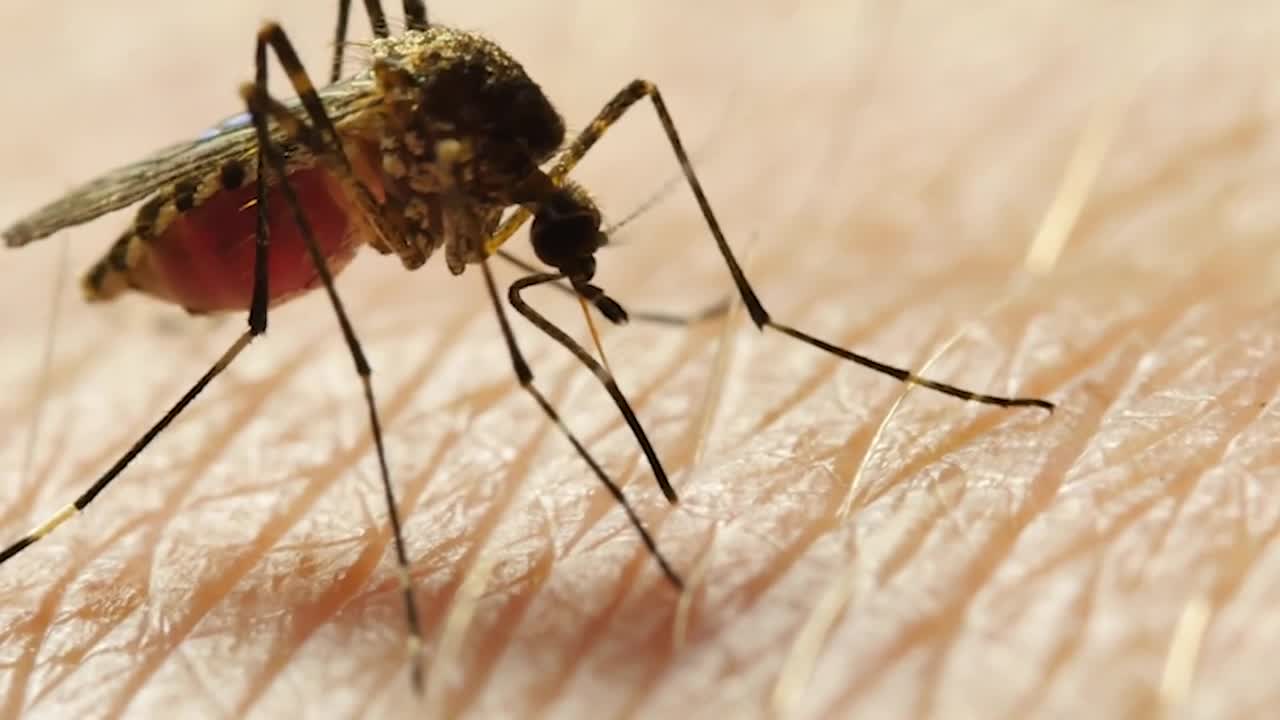


CORPUS CHRISTI, Texas — You've probably felt it this week. An itch that won't quit. A buzz in the ear. A slap on the neck. Corpus Christi's mosquitos are back — and they've brought friends.
The mosquito population has surged following recent rainfall, with the city adding 4 new spray routes for the week of June 1 through 5. Health officials say standing water is driving the spike, and experts are urging people to take steps to protect themselves.

Standing water is the problem
Mosquitoes don't just like standing water — they need it. They lay their eggs in it, those eggs hatch into larvae in it, and the next generation grows up in backyard puddles.
After recent rain, South Texas gave mosquitoes ideal breeding conditions.
"Mosquitoes are terrible. I take the dogs out for a walk every night, and I have to spray them and spray me," said resident Karene Pendergraft.
"This is the worst it's been was after that heavy, heavy storm. We had a branch fall down, and they've just been swarming it," explained Sutherlands shopper Olivia "Liv" Evans.
Dr. Anita Currian, City County Health Department director, said the threshold for breeding is lower than most people realize.
"Mosquitoes can breed in as little, as a bottle caps worth of water. So anything that holds water for more than a few days can act as breeding site for mosquitoes. And the most common thing to look around, after a heavy rain is things that you can find very easily in your own backyards and in other around your homes," Currian said.
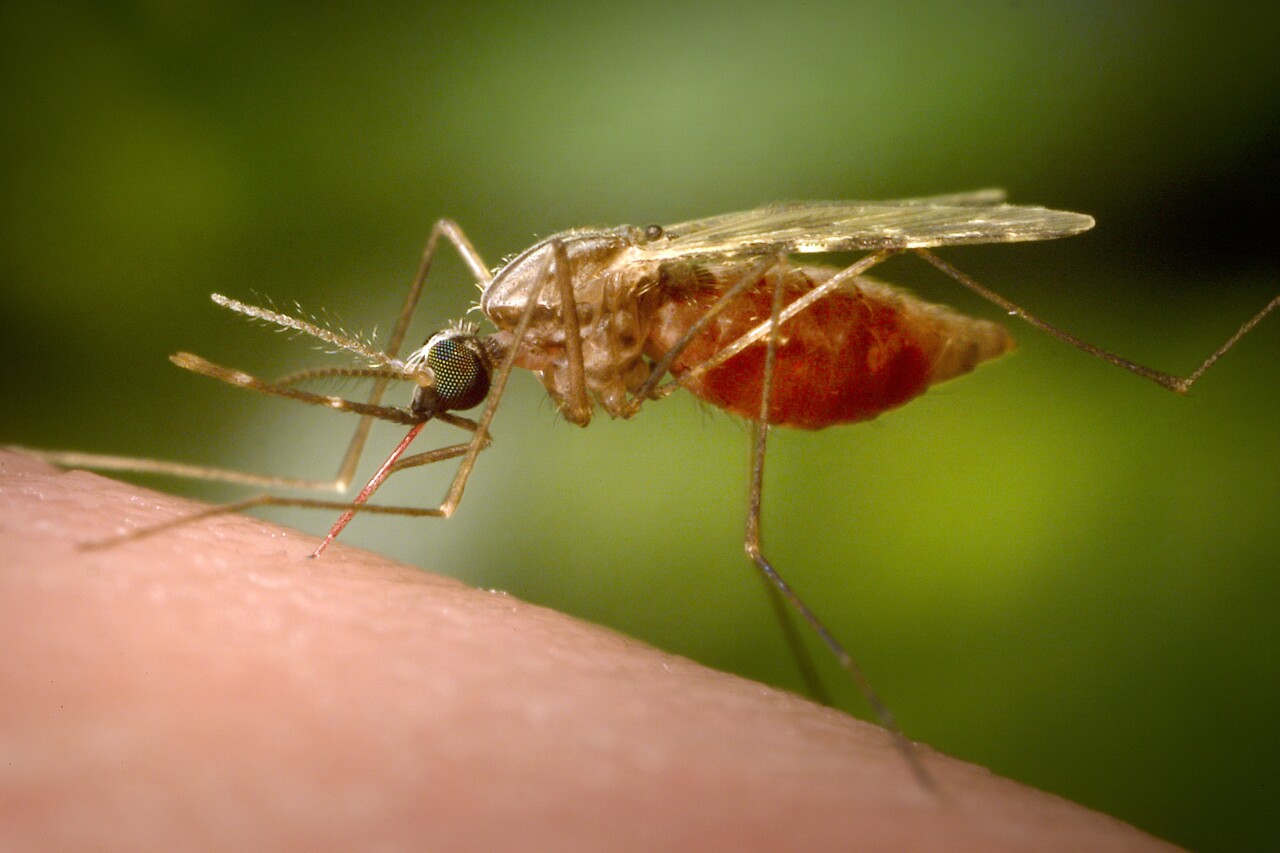
Vector control is actively working spray routes through June 5, but until standing water is eliminated, outdoor activity will remain uncomfortable for many residents.
What actually works
Mosquito repellents are regulated by the EPA as pesticides. Unlike insecticides, they are designed to repel mosquitoes rather than kill them — their active ingredients make it harder for mosquitoes to find and bite you.

The CDC and EPA recommend several active ingredients with strong evidence of effectiveness:
- DEET
- Picaridin
- IR3535
- Oil of lemon eucalyptus
DEET: the gold standard
According to the EPA repellent database, DEET is the gold standard. It has been around since 1957, and according to the American Mosquito Control Association, decades of testing more than 20,000 other compounds hasn't produced anything with the same broad-spectrum effectiveness.
Currian said DEET is safe when used correctly.
"Deet has been, when used according label instructions for label directions have shown to be safe and effective," Currian said.
The EPA characterizes DEET as slightly toxic to birds, fish, and aquatic invertebrates, and mostly nontoxic to mammals. The American Academy of Pediatrics says DEET-based repellents up to 30% concentration are safe for children as young as 2 months old.
Concentration matters. DEET concentrations range from about 5% to 100%. Generally, higher concentrations last longer — a 10% DEET product may protect for around 90 minutes, while a 30% product can provide several hours of protection.
DEET alternatives
Picaridin is odorless, has a pleasant feel, doesn't damage fabrics, and studies show it is just as effective against mosquitoes and ticks as DEET. The CDC started recommending it in 2005.
IR3535 has been used internationally for decades, is recommended by the CDC, provides strong mosquito protection, and is often found in family-friendly repellent products.
Oil of lemon eucalyptus is one of the few plant-based ingredients backed by strong scientific evidence. It should not be used on children younger than 3 years old.
The EPA offers a free online tool to find registered repellents, searchable by activity, protection time, and whether tick protection is also needed.
How to apply repellent safely
No matter which repellent you choose:
- Apply only to exposed skin
- Do not inhale it or get it in your eyes
- Wash it off when you come inside
- Do not skip patches — a mosquito can find an unprotected spot the size of a dime
- Never apply to wounds or irritated skin
- Pregnant and breastfeeding women should follow label directions and use EPA-registered repellents as recommended
- Oil of lemon eucalyptus cannot be used on children younger than 3 years old
The city's spray routes are active through June 5.
